 English
 Spanish
 French
 German
 Italian
 Chinese (Simplified)
 Japanese
 Korean
 Arabic
 Portuguese

Call us now
08045476963

 Send Inquiry
Vinyl Acetate Monomer (VAM)
Vinyl Acetate Monomer (VAM) Specification
- CAS No
- 108-05-4
- Application
- Production of polyvinyl acetate (PVA), adhesives, paints, coatings, textiles
- Storage
- Store in cool, dry, well-ventilated area away from heat and ignition sources
- Melting Point
- -100 °C
- Smell
- Characteristic sweet odor
- Shelf Life
- 12 Months
- Molecular Formula
- C4H6O2
- Grade
- Industrial Grade
- Ph Level
- Neutral
- Taste
- Sweet, pungent
- EINECS No
- 203-545-4
- Density
- 0.933 Gram per cubic centimeter(g/cm3)
- Physical Form
- Liquid
- HS Code
- 29153200
- Shape
- N/A (Liquid)
- Properties
- Colorless, volatile, flammable liquid with characteristic sweet odor
- Solubility
- Soluble in ethanol, ether; poorly soluble in water
- Structural Formula
- CH2=CHOCOCH3
- Refractive Rate
- 1.395
- Usage
- Raw material for polymerization and copolymerization
- Purity
- 99% Min
- Product Type
- Chemical Compound
- Appearance
- Clear, colorless liquid
- Poisonous
- Yes (Harmful if swallowed or inhaled)
- Molecular Weight
- 86.09 g/mol
- Ingredients
- Vinyl Acetate
- Stability
- Stable under recommended storage conditions
- Vapor Pressure
- 106 mm Hg at 20C
- Precautions
- Use protective equipment; handle in well-ventilated conditions
- Regulatory Status
- Complies with industrial chemical regulations
- Flash Point
- -8 C (Closed cup)
- UN Number
- 1301
- Boiling Point
- 72 C
- Autoignition Temperature
- 427 C
- Transport
- Class 3 (Flammable Liquids)
- Hazard Statements
- Highly flammable liquid and vapor; harmful by inhalation, ingestion and skin contact
- Packaging Type
- HDPE drums, IBC containers, tank trucks
Vinyl Acetate Monomer (VAM) Trade Information
- Minimum Order Quantity
- 1 Dram
- Payment Terms
- Letter of Credit (L/C), Western Union, Paypal, Cash in Advance (CID), Cash Advance (CA)
- Supply Ability
- 10 Drams Per Week
- Delivery Time
- 7 Days
- Sample Available
- Yes
- Sample Policy
- Sample costs shipping and taxes has to be paid by the buyer
- Main Export Market(s)
- Australia, South America, Western Europe, Middle East, Asia, Central America, Eastern Europe, North America, Africa
- Main Domestic Market
- All India
About Vinyl Acetate Monomer (VAM)
Vinyl Acetate Monomer (VAM)
Vinyl acetate is an organic compound with the formula CH3CO2CHCH2. A colorless liquid with a pungent odor, it is the precursor to polyvinyl acetate, an important polymer in industry. Unlike many other acetate esters, the odor of vinyl acetate is thoroughly disagreeable and is not used to any substantial degree as an odorant.
Acknowledged for accurate composition and purity, these products are used in the production of following products:
- Plastics
- Laminating adhesives
- Elastomers
- Films
- Lacquers
- Inks.
"This particular price varies on daily basis. Please call and check for the latest price"
Specification
| Usage | Industrial |
| Packaging Size | 210 Kg |
| Packaging Type | Drum |
| Brand | Antares |
| Grade Standard | Technical Grade |
| Physical State | Liquid |
Primary Application and Versatility
Vinyl Acetate Monomer serves as a fundamental building block for key industrial products such as polyvinyl acetate, which forms the backbone of various adhesives and coatings. Beyond its principal use, VAMs application extends to textiles and specialty polymers, underpinning its essential role in the chemical and manufacturing sectors, particularly for exporters, importers, and suppliers.
Safe Storage and Transport Guidelines
To ensure stability and safety, Vinyl Acetate Monomer should be stored in cool, dry, and well-ventilated environments, away from heat and ignition sources. For industrial logistics, it is packaged in HDPE drums, IBC containers, or tank trucks and classified under UN 1301 as a Class 3 Flammable Liquid. Adhering to transport regulations is vital for mitigating risks during handling.
FAQs of Vinyl Acetate Monomer (VAM):
Q: How should Vinyl Acetate Monomer be handled and stored safely?
A: Vinyl Acetate Monomer must be handled with protective equipment, including gloves and goggles, in well-ventilated areas to prevent harmful exposure. For storage, keep VAM in a cool, dry, and ventilated place away from heat or ignition sources. Use only approved packaging like HDPE drums or IBC containers to maintain stability and safety.Q: What are the main industrial uses for Vinyl Acetate Monomer?
A: Vinyl Acetate Monomer is primarily used as a raw material in the production of polyvinyl acetate (PVA), which is essential for adhesives, paints, coatings, and textile finishes. Its versatility also allows it to be utilized for polymerization and copolymerization processes in various chemical industries.Q: Why is it important to take precautions when using Vinyl Acetate Monomer?
A: VAM is highly flammable and poses significant health hazards if inhaled, ingested, or if it contacts the skin. Its harmful vapors and rapid volatility call for protective measures to avoid health risks and potential fire hazards during handling and usage.Q: What is the benefit of choosing high-purity Vinyl Acetate Monomer for industrial processes?
A: Opting for 99% minimum purity VAM ensures enhanced polymerization efficiency, reliable end-product quality, and fewer impurities, which are key for consistent adhesive and coating performance in demanding industrial applications.Q: Where is Vinyl Acetate Monomer commonly sourced and supplied?
A: Vinyl Acetate Monomer is widely produced, exported, and imported, especially by chemical manufacturers and suppliers in India, facilitating global distribution for textile, paint, and adhesive industries.Q: How long can Vinyl Acetate Monomer be stored before use?
A: When stored under recommended conditionscool, dry, well-ventilated areas away from heatVAM has a shelf life of 12 months, allowing flexible inventory management for industrial users.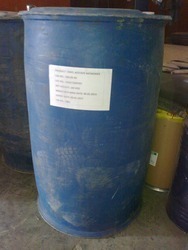

Price:
- 50
- 100
- 200
- 250
- 500
- 1000+

More Products in Industrial Products Category
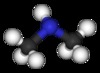
Dimethylamine
Price 60 INR / Kilograms
Minimum Order Quantity : 25 Kilograms
Physical Form : Other, Gas or Aqueous Solution
Shape : other, Cylindrical (Compressed Gas Cylinder) or Liquid Form
Purity : 99% min (for anhydrous); 40% wt (in aqueous solution)
Storage : Other, Store in tightly closed containers, in cool, ventilated area, away from sources of ignition
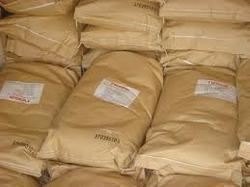
Paraformaldehyde Chemical
Price 1650 INR
Minimum Order Quantity : 10 Bags
Physical Form : Powder
Shape : other, Granule, powder
Purity : 96% 98%
Storage : Other, Store in a cool, dry, wellventilated place away from sources of ignition
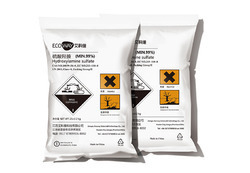
Hydroxylammonium sulfate
Price 3625 INR / Bag
Minimum Order Quantity : 10 Bags
Physical Form : Powder
Shape : other, Crystalline solid
Purity : 99%
Storage : Other, Store in a cool, dry place away from incompatible substances
Furfuryl Alcohol
Price 400 INR
Minimum Order Quantity : 25 Kilograms
Physical Form : Liquid
Shape : other, Liquid
Purity : 98% min.
Storage : Other, Store in a cool, wellventilated area, away from sources of ignition


 Send Inquiry
 Send Inquiry
 Send SMS
 Call Me Free
Developed and Managed by Infocom Network Private Limited.

