 English
 Spanish
 French
 German
 Italian
 Chinese (Simplified)
 Japanese
 Korean
 Arabic
 Portuguese
Call us now
08045476963

 Send Inquiry
Triacetin
Triacetin Specification
- Solubility
- Soluble in water, miscible with alcohol and ether
- Molecular Weight
- 218.21 g/mol
- Smell
- Odorless
- Purity
- >99%
- Storage
- Keep container tightly closed in a cool, dry, well-ventilated place
- Density
- 1.159 Gram per cubic centimeter(g/cm3)
- Ingredients
- Glycerin triacetate
- Shelf Life
- 2 years
- Poisonous
- NO
- Appearance
- Clear, transparent liquid
- Ph Level
- Neutral
- HS Code
- 29153990
- Melting Point
- -78°C
- Taste
- Bland
- Structural Formula
- CH2(OCOCH3)CH(OCOCH3)CH2(OCOCH3)
- Usage
- Plasticizer in plastics, food industries, pharmaceutical formulations
- Product Type
- Industrial
- Grade
- Industrial Grade
- Properties
- Colorless, odorless, oily liquid; good plasticizer; relatively high boiling point
- Molecular Formula
- C9H14O6
- Application
- Used as plasticizer, food additive (humectant, solvent), cigarette filter plasticizer, and pharmaceutical solvent
- Physical Form
- Liquid
- Refractive Rate
- 1.430-1.433
- CAS No
- 102-76-1
- EINECS No
- 203-051-9
- Vapor Pressure
- <0.01 mmHg at 20C
- Flash Point
- 143C
- Stability
- Stable under recommended storage conditions
- Packaging Type
- Barrels, IBC drums, tankers
- Boiling Point
- 258C
- Hazard Class
- Non-hazardous
Triacetin Trade Information
- Minimum Order Quantity
- 25 Kilograms
- Payment Terms
- Letter of Credit (L/C), Paypal, Western Union, Cash in Advance (CID), Cash Advance (CA)
- Supply Ability
- 500 Kilograms Per Week
- Delivery Time
- 7 Days
- Sample Available
- Yes
- Sample Policy
- Sample costs shipping and taxes has to be paid by the buyer
- Main Export Market(s)
- Western Europe, Australia, Eastern Europe, Middle East, Central America, South America, Asia, North America, Africa
- Main Domestic Market
- All India
About Triacetin
Triacetin
Use of Triacetin: As flxative in perfumery solvent in manufacturing celluloid, photographic films, tech triacetin as a solvent for basic dyes, particularly indulines and tannin in dyeing.
"This particular price varies on daily basis. Please call and check for the latest price"
Chemical Properties:
| Items | Result |
| Make | China |
| CAS NO | 102-76-1 |
| Acidity | 0.056% |
| Purity | 99.40% |
| Color | 15 |
| Specific gravity | 1.1590 |
| Water | 0.0 |
| Refractive index (20) | 1.4307 |
Key Properties and Advantages
Triacetin features a neutral pH, high purity (>99%), and impressive solubility in water and common solvents. Its bland taste, odorless nature, and colorless appearance make it ideal as a plasticizer and additive in sensitive mediums like food and pharmaceuticals. The stability and non-hazardous classification further increase its safety profile in industrial and manufacturing settings.
Applications and Versatility
This compound serves multiple roles, from plasticizing plastics to acting as a solvent in pharmaceutical formulations and food additives. Triacetin is also widely used in cigarette filter production and can serve as an excipient in various preparations. Its compatibility with alcohol, ether, and water, along with its excellent safety profile, creates diverse application possibilities for manufacturers and processors.
Packaging, Storage, and Shelf Life
Triacetin is supplied in robust packaging options, including barrels, IBC drums, and tanker loads, ensuring secure and convenient transport. It should be stored in tightly closed containers in cool, dry, and well-ventilated areas to maintain its integrity. The product offers a solid shelf life of two years when stored as recommended, supporting efficient long-term usage.
FAQs of Triacetin:
Q: How is Triacetin most commonly used in industry?
A: Triacetin is primarily used as a plasticizer in the plastics industry, a solvent in pharmaceuticals, and as a humectant and solvent in food additives. Its role as a plasticizer also extends to cigarette filters, improving flexibility and processing properties.Q: What are the benefits of using Triacetin as a plasticizer?
A: As a plasticizer, Triacetin enhances the flexibility, durability, and processability of plastics. Its compatibility with a variety of polymers and non-toxic, odorless nature make it suitable for sensitive applications such as food packaging and medical products.Q: When should Triacetin be stored or handled with caution?
A: Although Triacetin is classified as non-hazardous and stable under recommended conditions, it should be stored in tightly closed containers, in a cool, dry, and well-ventilated location, away from incompatible substances to avoid degradation and maintain quality.Q: What process is used to apply Triacetin in food and pharmaceutical industries?
A: In food and pharmaceuticals, Triacetin can be directly mixed as a solvent or additive as per formulation requirements due to its good solubility and compatibility. Its bland taste and odorless profile ensure it does not alter product characteristics.Q: Where can Triacetin be procured and in what packaging options?
A: Triacetin is available from reputable exporters, importers, and suppliers in India, and can be purchased in bulk as barrels, IBC drums, or as tanker loads to suit industrial requirements.Q: Is Triacetin safe and non-toxic for various applications?
A: Yes, Triacetin is considered non-toxic and is classified as non-hazardous. It does not pose poisoning risks and is safe for its intended industrial, food, and pharmaceutical applications when handled as directed.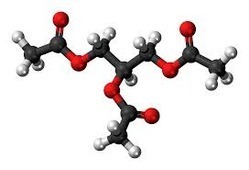

Price:
- 50
- 100
- 200
- 250
- 500
- 1000+

More Products in Industrial Products Category
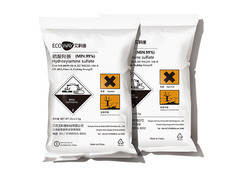
Hydroxylammonium sulfate
Price 3625 INR / Bag
Minimum Order Quantity : 10 Bags
Physical Form : Powder
Shape : other, Crystalline solid
Purity : 99%
Storage : Other, Store in a cool, dry place away from incompatible substances
Paraformaldehyde Chemical
Price 1650 INR
Minimum Order Quantity : 10 Bags
Physical Form : Powder
Shape : other, Granule, powder
Purity : 96% 98%
Storage : Other, Store in a cool, dry, wellventilated place away from sources of ignition
Vinyl Acetate Monomer (VAM)
Price 17250 INR
Minimum Order Quantity : 1 Dram
Physical Form : Liquid
Shape : other, N/A (Liquid)
Purity : 99% Min
Storage : Other, Store in cool, dry, wellventilated area away from heat and ignition sources
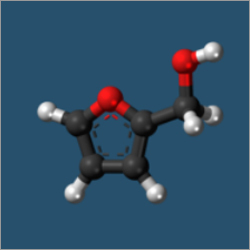
Furfuryl Alcohol
Price 400 INR
Minimum Order Quantity : 25 Kilograms
Physical Form : Liquid
Shape : other, Liquid
Purity : 98% min.
Storage : Other, Store in a cool, wellventilated area, away from sources of ignition


 Send Inquiry
 Send Inquiry
 Send SMS
Developed and Managed by Infocom Network Private Limited.

