 English
 Spanish
 French
 German
 Italian
 Chinese (Simplified)
 Japanese
 Korean
 Arabic
 Portuguese
Call us now
08045476963

 Send Inquiry
Polypropylene Glycol
Polypropylene Glycol Specification
- Moisture (%)
- <0.1%
- Heavy Metal (%)
- <0.001%
- Molecular Formula
- C3H8O2 (repeating unit)
- Viscosity
- 100 800 mPas @ 25C (depends on molecular weight)
- Particle Size
- Not applicable (liquid)
- Residue on Ignition
- <0.05%
- Ph Level
- Neutral (6.2-7.0)
- HS Code
- 29053990
- Acid Value
- <0.05 mgKOH/g
- EINECS No
- 500-039-8
- Storage
- Store in tightly closed container in a cool, dry place
- Place of Origin
- India
- Loss on Drying
- <0.1%
- Assay
- >99%
- Molecular Weight
- Varies (commonly 400-4000 g/mol depending on grade)
- Boiling point
- 180C - 250C
- Melting Point
- -60C to -40C
- Other Names
- PPG, Poly(oxypropylene) glycol
- CAS No
- 25322-69-4
- Type
- Polyether Polyol
- Grade
- Industrial grade
- Usage
- Manufacturing of polyurethane foams, surfactants, lubricants, hydraulic fluids, chemical intermediates
- Purity
- >99%
- Appearance
- Clear viscous liquid
- Application
- Polyurethane, adhesives, coatings, surfactant formulation
- Raw Material
- Propylene Oxide
- Smell
- Slight odor
- Color
- Colorless to pale yellow
- Form
- Liquid
- Surface Tension
- ~36 dyn/cm @ 25C
- Shelf Life
- 2 years under recommended storage conditions
- Biodegradability
- Readily biodegradable
- Hazard Information
- Non-hazardous in normal use; avoid contact with eyes and prolonged skin exposure
- Toxicity
- Low acute toxicity
- Density
- 0.99 - 1.02 g/cm3 @ 25C
- pH Stability
- Stable at pH 6-8
- Refractive Index
- 1.435-1.438 @ 20C
- Hydroxyl Value
- 50 - 560 mgKOH/g
- Solubility
- Soluble in water, acetone, and alcohols
- Packaging
- Drums, IBCs, bulk tanker
- Flash Point
- >150C
Polypropylene Glycol Trade Information
- Minimum Order Quantity
- 1 Dram
- Payment Terms
- Paypal, Letter of Credit (L/C), Western Union, Cash Advance (CA), Cash in Advance (CID)
- Supply Ability
- 10 Drams Per Week
- Delivery Time
- 7 Days
- Sample Available
- Yes
- Sample Policy
- Sample costs shipping and taxes has to be paid by the buyer
- Main Export Market(s)
- South America, Middle East, Central America, Western Europe, Australia, Asia, Eastern Europe, North America, Africa
- Main Domestic Market
- All India
About Polypropylene Glycol
Polypropylene Glycol
Our organization is instrumental in offering a wide range of Polypropylene Glycol. The offered Polypropylene glycol is processed according to the market norms by utilizing best grade chemical compounds in accurate composition. Apart from this, we offer this Polypropylene glycol in number of packaging options with different stipulations at affordable rates.
Features:
- Highly effective
- Non reactive
- Safe usage
Available with various molecular weights like:
PPG - 400
PPG - 1000
PPG - 2000
PPG - 4000
Specification
| Density | 946 kg/m3 |
| CAS No | 57-55-6 |
| Purity % | >99% |
| Packaging Details | 200 litres Drum |
| Grade Standard | Industrial Grade |
| Physical State | Liquid |
| Usage/Application | Artificial smoke,Solvent for food colors and flavors,Humectant in medicines or food products |
| Synonyms | Methyl ethyl glycol |
| Melting point | 160 deg C |
| Formula | (C3H6)n |
What makes Polypropylene Glycol valuable for industry?
PPG stands out for its versatility, chemical stability, and purity, exceeding 99%. With excellent water solubility, thermal stability, and low toxicity, it is a preferred raw material for polyurethane foams, adhesives, surfactants, and lubricants. Its consistent quality and biodegradability contribute to efficient and sustainable manufacturing processes.
Handling and Storage Guidelines
It is best to store Polypropylene Glycol in tightly closed containers in a cool, dry environment to preserve its properties over the recommended two-year shelf life. Standard packaging options include drums, IBCs, and bulk tankers, catering to various scale requirements. The product remains stable under neutral to slightly alkaline pH conditions and does not pose significant hazards under normal circumstances.
Environmental and Safety Aspects
Polypropylene Glycol exhibits low acute toxicity and is considered non-hazardous during standard handling. Avoid contact with eyes and prolonged skin exposure to minimize potential irritation. It is readily biodegradable, supporting environmentally responsible use and disposal. Regular quality checks ensure minimal impurities and heavy metals, enhancing workplace safety.
FAQs of Polypropylene Glycol:
Q: How should Polypropylene Glycol be stored to maintain its shelf life?
A: Polypropylene Glycol should be kept in tightly closed containers, placed in a cool and dry location to ensure stability and preserve quality for up to two years. Avoid prolonged exposure to moisture or unsuitable temperatures.Q: What are the primary industrial applications of Polypropylene Glycol?
A: PPG is frequently used in manufacturing polyurethane foams, surfactants, hydraulic fluids, lubricants, adhesives, coatings, and as a chemical intermediate in various formulations due to its solubility and stability.Q: When is it necessary to use additional protective measures while handling Polypropylene Glycol?
A: Normal use does not require extensive protection, but safety goggles and gloves are advisable when handling to prevent eye contact and prolonged skin exposure, particularly in large-scale or prolonged operations.Q: Where is Polypropylene Glycol commonly sourced from?
A: This product is predominantly manufactured and supplied in India, using propylene oxide as the primary raw material, with reliable exporter, importer, and supplier networks available.Q: What process is used in producing Polypropylene Glycol?
A: Polypropylene Glycol is synthesized via the polymerization of propylene oxide, which results in various molecular weight grades tailored for specific industrial needs.Q: How does using Polypropylene Glycol benefit product performance?
A: PPG enhances product quality by providing chemical stability, high purity, and compatibility in water-based systems. Its biodegradability and low toxicity also support eco-friendly practices.Q: Is Polypropylene Glycol suitable for use in environmentally sensitive applications?
A: Yes, PPG is readily biodegradable and features low acute toxicity, making it suitable for manufacturing processes with environmental and safety considerations.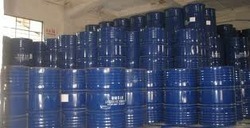

Price:
- 50
- 100
- 200
- 250
- 500
- 1000+

More Products in Pharma Chemicals Category
Methylene Di Chloride - MDC
Price 47 INR
Minimum Order Quantity : 25 Kilograms
Place of Origin : India
Storage : Other, Store in a cool, dry, wellventilated area away from direct sunlight and incompatible substances
Grade : Other, Industrial / Technical Grade
Color : Colorless
Ethyl Chloroformate
Price 26400 INR
Minimum Order Quantity : 1 Dram
Place of Origin : India
Storage : Other, Store in a cool, dry, wellventilated area, away from heat and ignition sources
Grade : Other, Industrial grade
Color : Other, Colorless to pale yellow
Butyl Cellosolve
Price 24200 INR
Minimum Order Quantity : 1 Dram
Place of Origin : India
Storage : Other, Cool, Dry Place
Grade : Other, Industrial
Color : Colorless
Dichloromethane Chemical
Price 10340 INR
Minimum Order Quantity : 1 Dram
Place of Origin : India
Storage : Other, Store in a cool, wellventilated place, tightly closed
Grade : Other, Industrial / Technical
Color : Colorless


 Send Inquiry
 Send Inquiry
 Send SMS
Developed and Managed by Infocom Network Private Limited.

