 English
 Spanish
 French
 German
 Italian
 Chinese (Simplified)
 Japanese
 Korean
 Arabic
 Portuguese
Call us now
08045476963

 Send Inquiry
Cyclohexylamine
Cyclohexylamine Specification
- Ph Level
- 10.5 (50 g/l at 20C)
- Molecular Weight
- 99.17 g/mol
- Molecular Formula
- C6H13N
- Melting Point
- -17 C
- EINECS No
- 203-629-0
- Place of Origin
- China
- Storage
- Store in tightly sealed containers, cool and dry place
- HS Code
- 29213000
- Assay
- 99%
- Boiling point
- 134 C
- Other Names
- Aminocyclohexane; CHA
- CAS No
- 108-91-8
- Type
- Organic chemical
- Grade
- Industrial Grade
- Usage
- Chemical intermediate, corrosion inhibitor, rubber accelerator, water treatment
- Purity
- 99% min
- Appearance
- Clear liquid
- Application
- Used in synthesis of pharmaceuticals, pesticides, dyes
- Raw Material
- Cyclohexane
- Smell
- Ammoniacal
- Color
- Colorless to pale yellow
- Form
- Liquid
- Molecular Structure
- C6H11NH2, monocyclic amine
- UN No
- 2357
- Flash Point
- 32 C
- Refractive Index
- 1.458
- Solubility in Water
- Miscible
- Vapor Pressure
- 7.1 mmHg at 25C
- Transport Information
- Proper shipping name: Cyclohexylamine, Hazard label: Toxic, Corrosive
- Production Method
- Catalytic hydrogenation of aniline
- Density
- 0.867 g/cm3 at 20C
- Autoignition Temperature
- 300 C
- Shelf Life
- 2 Years
- Typical Impurities
- Cyclohexanol, Cyclohexanone
- Hazard class
- 6.1 (Toxic) / 8 (Corrosive)
- Odor Threshold
- <0.02 ppm
- Packing
- Galvanized iron drums / ISO tanks / IBC containers
- Regulatory Information
- Listed on TSCA, EINECS, DSL
- Stability
- Stable under recommended storage conditions
Cyclohexylamine Trade Information
- Minimum Order Quantity
- 1 ,
- Payment Terms
- Letter of Credit (L/C), Western Union, Paypal, Cash Advance (CA), Cash in Advance (CID)
- Supply Ability
- 30 Per Week
- Delivery Time
- 7 Days
- Sample Available
- Yes
- Sample Policy
- Sample costs shipping and taxes has to be paid by the buyer
- Main Export Market(s)
- Western Europe, Central America, Eastern Europe, Middle East, South America, Australia, Asia, North America, Africa
- Main Domestic Market
- All India
About Cyclohexylamine
Cyclohexylamine
Specification
| Cyclohexylamine | 99,92 % WT. |
| Hydrocarbons (C6) | 0,013 % WT. |
| Cyclohexanol | < 0,001 % WT. |
| Water | < 0,05 % WT. |
| Aniline | < 0,005 % WT. |
| Color | < 50 HAZEN |
| Packing | 175 KGS/DRUM |
| CAS No. | 108-91-8 |
Versatile Chemical Intermediate
Cyclohexylamine is widely utilized in various industries, serving as an essential intermediate in the synthesis of pharmaceuticals, dyes, and pesticides. Its efficacy as a corrosion inhibitor and rubber accelerator underlines its industrial significance, making it a staple in chemical processing and manufacturing operations.
Safety and Handling Guidelines
Due to its toxic and corrosive nature, Cyclohexylamine demands thorough safety protocols. It should always be stored in tightly sealed containers, away from sources of ignition and in a cool, dry place. Proper hazard labeling and handling procedures reduce risk and help maintain a stable product during storage and transport.
Quality and Regulatory Compliance
With a minimum purity of 99%, Cyclohexylamine meets strict quality standards and is listed on key global chemical registries such as TSCA, EINECS, and DSL. These certifications ensure compliance with international regulations, supporting safe use and distribution for various industrial and export applications.
FAQs of Cyclohexylamine:
Q: How should Cyclohexylamine be stored to maintain its stability and shelf life?
A: Cyclohexylamine should be stored in tightly sealed containers in a cool, dry place, away from direct sunlight and ignition sources. Under recommended conditions, it remains stable and retains a shelf life of up to two years.Q: What are the typical uses and benefits of Cyclohexylamine in industry?
A: Cyclohexylamine is primarily used as a chemical intermediate in the production of pharmaceuticals, dyes, pesticides, and rubber accelerators. It also acts as a corrosion inhibitor and is vital in water treatment processes, offering versatility and efficiency for industrial applications.Q: When transporting Cyclohexylamine, what safety measures and labels are required?
A: During transport, Cyclohexylamine must be packed in galvanized iron drums, ISO tanks, or IBC containers, with the hazard label Toxic and Corrosive applied. It should be shipped as Cyclohexylamine under UN No. 2357 in compliance with hazard class codes 6.1 and 8.Q: Where can Cyclohexylamine be sourced and what origins are typical for supply?
A: Cyclohexylamine is widely available from chemical exporters, importers, and suppliers, with China being a notable place of origin. Indian suppliers also provide industrial-grade Cyclohexylamine for global distribution.Q: What production process is used for Cyclohexylamine and what raw material is required?
A: Cyclohexylamine is produced via catalytic hydrogenation of aniline, using cyclohexane as the raw material. This method ensures high purity and efficiency suitable for industrial applications.Q: What are the safety hazards associated with Cyclohexylamine, and how can they be managed?
A: Cyclohexylamine is classified as toxic and corrosive. Exposure should be minimized by using proper protective gear, storing securely, and adhering to regulatory guidelines to prevent inhalation and skin contact.Q: How does Cyclohexylamines miscibility with water impact its application?
A: Being fully miscible with water, Cyclohexylamine integrates seamlessly in water treatment and chemical synthesis, facilitating even distribution in liquid solutions and improving processing efficiency.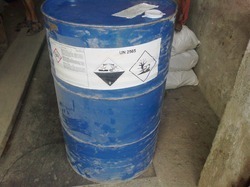

Price:
- 50
- 100
- 200
- 250
- 500
- 1000+

More Products in Pharmaceutical Chemicals Category
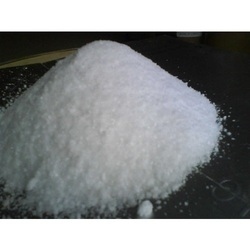
Tetraethylene Pentamine
Price 320 INR / Kilograms
Minimum Order Quantity : 25 Kilograms
Grade : Other, Technical Grade
Purity : >98%
Form : Liquid
Application : Other, Used in the manufacture of surfactants, lubricants, fuel additives, and additives for oil field chemicals

Triethanolamine
Price 95 INR
Minimum Order Quantity : 25 Kilograms
Grade : Other, Industrial Grade
Purity : 99% min
Form : Liquid
Application : Other, Textile, Detergents, Cosmetics, Pharmaceuticals
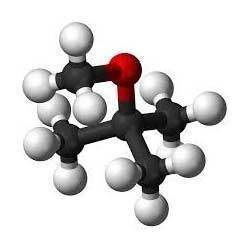
Methyl Tertiary Butyl Ether
Price 130 INR
Minimum Order Quantity : 25
Grade : Other, Industrial Grade
Purity : 99.0%
Form : Liquid
Application : Other, Gasoline Blending, Octane Enhancer
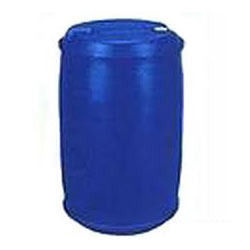
Triethyl Orthoformate
Price 34000 INR
Minimum Order Quantity : 1 Dram
Grade : Other, Industrial Grade/Pharma Grade
Purity : 99.0%
Form : Liquid
Application : Other, Used as reagent for formylation, in active pharmaceutical ingredient synthesis, and fermentation processes


 Send Inquiry
 Send Inquiry
 Send SMS
 Call Me Free
Developed and Managed by Infocom Network Private Limited.

