 English
 Spanish
 French
 German
 Italian
 Chinese (Simplified)
 Japanese
 Korean
 Arabic
 Portuguese
Call us now
08045476963

 Send Inquiry
Triphosgene
Triphosgene Specification
- Place of Origin
- China
- Melting Point
- 109-111°C
- Storage
- Cool, dry, well-ventilated area
- Residue on Ignition
- <0.1%
- EINECS No
- 251-344-3
- Heavy Metal (%)
- <0.001%
- Molecular Formula
- C3Cl6O3
- Particle Size
- 30-60 mesh
- Moisture (%)
- <0.5%
- Boiling point
- Decomposes
- HS Code
- 2930.90
- Viscosity
- Not applicable (solid state)
- Loss on Drying
- <0.5%
- Assay
- >99%
- Molecular Weight
- 296.74 g/mol
- Other Names
- Bis(trichloromethyl) Carbonate
- CAS No
- 32315-10-9
- Type
- Chemical Compound
- Grade
- Analytical / Technical Grade
- Usage
- Phosgenation agent, Organic synthesis, Agrochemical intermediates
- Purity
- 99% Min
- Appearance
- White crystalline powder
- Application
- Phosgenation reactions, Pharmaceutical intermediate, Dye and pigment manufacture
- Raw Material
- Trichloromethanol
- Smell
- Characteristic odour (may resemble chloroform)
- Color
- White
- Form
- Solid
- Solubility
- Decomposes in water, Soluble in organic solvents like dioxane, benzene
- Stability
- Stable under recommended storage conditions
- Flash Point
- >100C
- Incompatibility
- Strong bases, water, alcohols
- Transport Information
- Non-flammable; toxic solid
- Spectral Data
- Available upon request
- Decomposition Products
- Phosgene, hydrochloric acid
- Hazard Class
- 6.1 (Toxic Substance)
- First Aid Measures
- Seek immediate medical attention in case of exposure
- Density
- 1.70 g/cm3
- Risk Codes
- R26/27/28 (Very toxic by inhalation, in contact with skin and if swallowed)
- Safety Precaution
- Use protective gloves, mask, and eye protection
- Toxicity
- Acute oral LD50 (rat): ~135 mg/kg
- Regulatory Information
- Complies with REACH regulation
- Packaging Details
- 25 kg fiber drum or as per request
- Shelf Life
- 24 months when properly stored
- UN Number
- UN 2810
Triphosgene Trade Information
- Minimum Order Quantity
- 25 Kilograms
- Payment Terms
- Letter of Credit (L/C), Western Union, Paypal, Cash in Advance (CID), Cash Advance (CA)
- Supply Ability
- 500 Kilograms Per Week
- Delivery Time
- 7 Days
- Sample Available
- Yes
- Sample Policy
- Sample costs shipping and taxes has to be paid by the buyer
- Main Export Market(s)
- Australia, Central America, Eastern Europe, South America, Asia, North America, Africa
- Main Domestic Market
- All India
About Triphosgene
Triphosgene
With consistent focus on quality, our company is engaged in offering a vast range of Triphosgene Chemical. Our product is appreciated and accepted for its excellent quality and effectiveness. This product is available in attractive packaging options as per market requirements. The offered product is processed by our professionals using quality approved chemical compounds in order to ensure its purity. This chemical can be purchased from us at industry leading prices within the promised time - frame.
Features:
- Precise pH value
- Optimum quality
- Purity
| Formula | C3Cl6O3 |
| Grade Standard | Technical Grade |
| Physical State | Powder |
| Usage | Industrial |
Efficient Phosgenation Agent
Triphosgene serves as a safer alternative to phosgene gas, offering precise control in phosgenation reactions often used in pharmaceutical production, agrochemical synthesis, and advanced organic chemistry. Its solid-state form simplifies both storage and handling, enhancing laboratory and industrial safety. The compounds high purity ensures consistent and reliable results across various applications.
Safety and Storage Considerations
Given its highly toxic nature, Triphosgene must be handled with protective gloves, masks, and eye protection. Storage should be in a cool, dry, and well-ventilated area, away from water, strong bases, and alcohols to maintain stability. Decomposition products such as phosgene and hydrochloric acid necessitate careful containment. Proper storage supports a shelf life of up to 24 months.
Regulatory and Packaging Compliance
Triphosgene is shipped in compliance with UN 2810 and REACH standards, packaged in 25 kg fiber drums or as per buyer specifications. As a non-flammable toxic solid, it is managed under Hazard Class 6.1 regulations, ensuring it arrives safely while upholding strict international regulatory requirements. Spectral data and analytical grade documentation are available upon request.
FAQs of Triphosgene:
Q: How should Triphosgene be safely stored to maximize its shelf life?
A: To maintain Triphosgenes 24-month shelf life, store it in a cool, dry, well-ventilated area, away from water, strong bases, alcohols, and incompatible substances. Use sealed containers, such as the recommended fiber drum, to prevent moisture access and inadvertent decomposition.Q: What are the primary applications for Triphosgene in the chemical industry?
A: Triphosgene is predominantly used as a phosgenation agent for organic synthesis, pharmaceutical intermediates, agrochemical production, and manufacturing dyes and pigments. Its solid form provides a manageable alternative to phosgene gas, facilitating safer reactions.Q: When is it necessary to seek medical attention after exposure to Triphosgene?
A: Immediate medical attention must be sought if any exposure occurswhether by inhalation, skin contact, or ingestionbecause Triphosgene is very toxic and can cause severe health effects even in small quantities. Prompt professional assistance is crucial for safety.Q: Where does Triphosgene originate, and what is its typical packaging for export?
A: Triphosgene is manufactured and supplied primarily from China and exported worldwide. The standard packaging format is a 25 kg fiber drum, though custom packaging options are available upon request from suppliers.Q: What process precautions are recommended for handling Triphosgene during use?
A: Always wear protective gloves, a safety mask, and eye protection while handling Triphosgene. Work in a well-ventilated area, and avoid contact with moisture and reactive substances. Follow all risk codes and institutional safety protocols to ensure safe handling.Q: How does Triphosgene benefit synthesis compared to phosgene gas?
A: Triphosgenes solid form is easier to measure and handle, reducing exposure risks. It provides a controlled release of phosgene during reactions, offering greater precision and safety in laboratory and industrial processes, particularly in organic synthesis.Q: What spectral and regulatory data are available to support Triphosgenes quality and compliance?
A: Spectral data, including analytical results, are available on request to verify chemical purity and identity. Triphosgene complies with REACH regulations and is documented under CAS No. 32315-10-9 and EINECS No. 251-344-3, supporting both safety and quality audits during procurement.

Price:
- 50
- 100
- 200
- 250
- 500
- 1000+

More Products in Pharmaceutical Chemicals Category
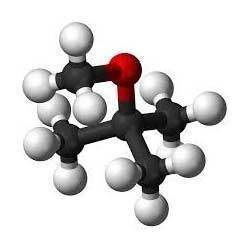
Methyl Tertiary Butyl Ether
Price 130 INR
Minimum Order Quantity : 25
Purity : 99.0%
Form : Liquid
Storage : Other, Store in a cool, dry, wellventilated area away from ignition sources
CAS No : 1634044
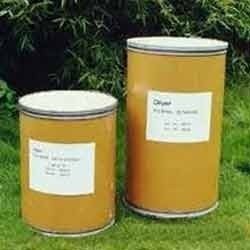
Pyrogallol
Price 320000 INR / Dram
Minimum Order Quantity : 1 Dram
Purity : 99% Minimum
Form : Solid
Storage : Other, Cool and Dry Place, Well Sealed
CAS No : 87661
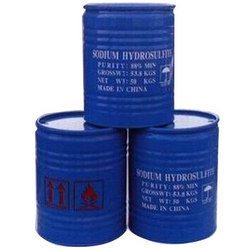
Sodium Hydrosulphite
Price 10000 INR
Minimum Order Quantity : 10 Drams
Purity : 85% min
Form : Other, Powder/Crystalline
Storage : Other, Store in a cool, dry, wellventilated area away from acids and moisture
CAS No : 7775146
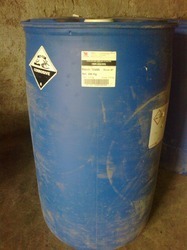
Hydrobromic Acid
Price 26250 INR
Minimum Order Quantity : 1 ,
Purity : 48%
Form : Liquid
Storage : Other, Store in tightly closed container, in a cool, dry, wellventilated area away from incompatible substances
CAS No : 10035106


 Send Inquiry
 Send Inquiry
 Send SMS
Developed and Managed by Infocom Network Private Limited.

