 English
 Spanish
 French
 German
 Italian
 Chinese (Simplified)
 Japanese
 Korean
 Arabic
 Portuguese
Call us now
08045476963

 Send Inquiry
Trimethyl Phosphate
Trimethyl Phosphate Specification
- Boiling point
- 197 C
- Melting Point
- -46 C
- Other Names
- TMP
- Molecular Weight
- 140.08 g/mol
- Ph Level
- Neutral
- Smell
- Weak characteristic odor
- Solubility
- Miscible with water and most organic solvents
- Density
- 1.19 Gram per cubic centimeter(g/cm3)
- Molecular Formula
- C3H9O4P
- Poisonous
- Yes
- Structural Formula
- (CH3O)3PO
- Form
- Colorless liquid
- Purity
- 99.0%
- HS Code
- 29199000
- Storage
- Store in a cool, dry, well-ventilated place, away from incompatible substances
- Refractive Rate
- n20/D 1.405
- Shape
- Liquid
- Classification
- Phosphate ester
- Chemical Name
- Trimethyl Phosphate
- CAS No
- 512-56-1
- EINECS No
- 204-593-6
- Grade
- Industrial Grade
- Standard
- As per industrial specifications
- Type
- Organic Phosphate Ester
- Usage
- Industrial chemical intermediate
- Main Material
- Trimethyl Phosphate
- Application
- Used as flame retardant, solvent, plasticizer, and in methylation reactions
- Compatibility
- Incompatible with strong oxidizers and acids
- Autoignition Temperature
- 475 C
- Packaging
- Plastic or steel drum
- Color
- Colorless
- Physical State
- Liquid
- Vapor Pressure
- 0.2 mmHg (at 20 C)
- Viscosity
- 2.2 mPas (at 20 C)
- Hazard Information
- Irritating to eyes, skin, and respiratory system
- Hydrolysis
- Slow in water
- Flash Point
- 83 C
- Stability
- Stable under recommended storage conditions
Trimethyl Phosphate Trade Information
- Minimum Order Quantity
- 25 Kilograms
- Payment Terms
- Paypal, Letter of Credit (L/C), Western Union, Cash in Advance (CID), Cash Advance (CA)
- Supply Ability
- 500 Kilograms Per Week
- Delivery Time
- 7 Days
- Sample Available
- Yes
- Sample Policy
- Sample costs shipping and taxes has to be paid by the buyer
- Main Export Market(s)
- Western Europe, Australia, Eastern Europe, Central America, Middle East, South America, Asia, North America, Africa
- Main Domestic Market
- All India
About Trimethyl Phosphate
Trimethyl Phosphate
Trimethyl Phosphate offered is also known by the chemical names of Trimethylphosphate; Phosphoric acid, trimethyl ester; Trimethyl orthophosphate and others with molecular formula of C3H9O4P and molecular weight of 140.074922 g/mol. Available in pale straw colored liquid form, it finds extensive use in different industrial sectors. Here, we can offer the product in standard industrial packaging as well as in options as demanded by the customers.
Specification
| Packing | Packet |
| Grade Standard | Technical Grade |
| Physical State | solid |
| Usage | Industrial |
Wide-Ranging Industrial Uses
Trimethyl Phosphate serves a critical role in diverse industries, acting as a flame retardant, plasticizer, solvent, and intermediary in chemical methylation reactions. Its compatibility with both organic solvents and water makes it versatile across manufacturing processes, bolstering efficiency, safety, and quality in applications such as plastics, textiles, and specialty chemicals.
Safe Handling and Storage Practices
TMP should be stored in tightly sealed plastic or steel drums in a cool, dry, and well-ventilated environment, separate from incompatible materials such as strong acids or oxidizers. Protective clothing, gloves, and eye protection are recommended when handling this toxic and irritant compound to minimize exposure and maintain workplace safety.
Physical and Chemical Highlights
With a flash point of 83C and an autoignition temperature of 475C, Trimethyl Phosphate requires careful monitoring in storage and usage environments. The liquid is miscible with water, has a viscosity of 2.2 mPas at 20C, and a boiling point of 197C, which contribute to its effectiveness in industrial processes, while its slow hydrolysis rate provides persistent performance.
FAQs of Trimethyl Phosphate:
Q: How is Trimethyl Phosphate commonly used in industry?
A: Trimethyl Phosphate is primarily used as a flame retardant, plasticizer, and solvent. It also acts as a chemical intermediate in methylation reactions, contributing to the manufacturing of plastics, textiles, and specialty chemicals.Q: What safety precautions are necessary when handling Trimethyl Phosphate?
A: Due to its toxic and irritating nature, personal protective equipment such as gloves, goggles, and protective clothing should be worn when handling TMP. Ensure good ventilation and avoid any direct contact with the skin, eyes, or inhalation of vapors.Q: Where should Trimethyl Phosphate be stored for maximum stability?
A: TMP must be stored in tightly closed steel or plastic drums within a cool, dry, and well-ventilated facility. It should be kept away from strong oxidizers and acids to reduce risk of hazardous reactions.Q: What are the main benefits of using Trimethyl Phosphate in flame retardant applications?
A: Trimethyl Phosphate offers effective flame retardancy due to its phosphate ester composition, enhancing safety in products by lowering combustibility and providing heat resistance across varied materials.Q: When does hydrolysis of Trimethyl Phosphate become a concern?
A: Hydrolysis occurs slowly in water, so prolonged exposure in aqueous environments can gradually degrade TMP. This should be considered when determining shelf-life or stability in water-based formulations.Q: What process should be followed if Trimethyl Phosphate contacts skin or eyes?
A: In case of skin or eye contact, immediately rinse the affected area with plenty of water for at least 15 minutes and seek medical attention if symptoms persist, as TMP can cause significant irritation.Q: Is Trimethyl Phosphate compatible with all chemicals during industrial use?
A: No, TMP is not compatible with strong oxidizers or acids, which can react violently with the compound. Always verify chemical compatibility before use in mixed processes.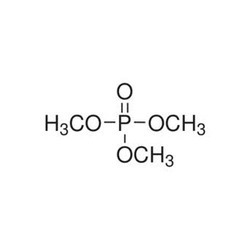

Price:
- 50
- 100
- 200
- 250
- 500
- 1000+

More Products in Industrial Chemicals Category

White Soda Ash
Price 25 INR
Minimum Order Quantity : 25 Kilograms
Chemical Name : Sodium Carbonate
Grade : Industrial Grade
Application : Other, Glass manufacturing, detergent, water treatment, chemical production
Melting Point : 851C
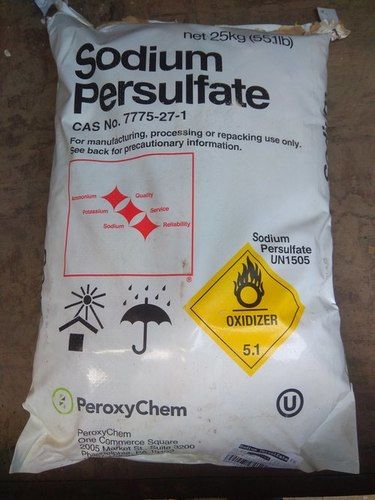
SODIUM PERSULPHATE
Price 150 INR / Kilograms
Minimum Order Quantity : 500 KGS Kilograms
Chemical Name : Sodium Peroxodisulfate
Grade : Industrial Grade
Application : Industrial, Paints
Melting Point : 180 C
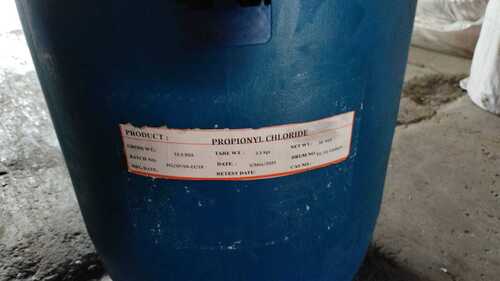
PROPIONYL CHLORIDE
Price 600 INR / Kilograms
Minimum Order Quantity : 50 Kilograms
Chemical Name : PROPIONYL CHLORIDE
Grade : Industrial Grade
Application : Industrial
Melting Point : 94 C
I G Ribonucleotides
Price 1850 INR / Kilograms
Chemical Name : Disodium Ribonucleotides
Grade : Industrial Grade
Application : Industrial, food


 Send Inquiry
 Send Inquiry
 Send SMS
Developed and Managed by Infocom Network Private Limited.

