 English
 Spanish
 French
 German
 Italian
 Chinese (Simplified)
 Japanese
 Korean
 Arabic
 Portuguese
Call us now
08045476963

 Send Inquiry
Butylated Hydroxytoluene (BHT)
Butylated Hydroxytoluene (BHT) Specification
- Molecular Weight
- 220.35 g/mol
- Grade
- Food Grade / Technical Grade
- Application
- Used as an antioxidant in food, cosmetics, plastics, and rubber
- Storage
- Store in cool, dry, well-ventilated area away from sunlight and oxidizing agents
- Poisonous
- Non-poisonous at recommended usage
- HS Code
- 29071990
- Density
- 1.048 Gram per cubic centimeter(g/cm3)
- Properties
- Stable, non-flammable, antioxidant, free-flowing powder, minimal volatility, compatible with oils and fats
- Appearance
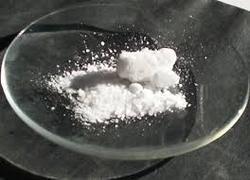
- White to pale yellow crystalline powder
- Product Type
- Antioxidant (Food Grade Chemical)
- Smell
- Odorless to faint phenolic odor
- Melting Point
- 69-72C
- CAS No
- 128-37-0
- Taste
- Slight, characteristic
- Molecular Formula
- C15H24O
- EINECS No
- 204-881-4
- Solubility
- Insoluble in water, soluble in fats/oils and organic solvents
- Structural Formula
- (CH3)3C6H2(OCH3)C(CH3)3
- Ph Level
- Neutral (6.5 7.5)
- Refractive Rate
- Not applicable (solid)
- Shelf Life
- 36 months in original packaging
- Purity
- 99% min
- Usage
- Add as per regulatory recommendations to prevent oxidation in fats and oils
- Shape
- Crystalline powder
- Ingredients
- 2,6-Di-tert-butyl-4-methylphenol
- Physical Form
- Powder
- Boiling Point
- 265C (decomposes)
- Maximum Permissible Limit in Food
- As per FDA/EU regulations, typically 200 ppm
- Flash Point
- 127C (closed cup)
- Hazard Class
- Not classified as hazardous for transport
- Stability
- Stable under recommended storage conditions
- Synonym
- BHT, 2,6-Di-tert-butyl-4-methylphenol
- Regulatory Compliance
- Complies with international food safety and quality standards
- Packaging
- 25 kg fiber drum or as per customer requirement
Butylated Hydroxytoluene (BHT) Trade Information
- Minimum Order Quantity
- 25 Kilograms
- Payment Terms
- Letter of Credit (L/C), Western Union, Paypal, Cash Advance (CA), Cash in Advance (CID)
- Supply Ability
- 500 Kilograms Per Week
- Delivery Time
- 7 Days
- Sample Available
- Yes
- Sample Policy
- Sample costs shipping and taxes has to be paid by the buyer
- Main Export Market(s)
- Australia, North America, Eastern Europe, Western Europe, Middle East, Africa, Central America, South America, Asia
- Main Domestic Market
- All India
About Butylated Hydroxytoluene (BHT)
Butylated Hydroxytoluene (BHT)
Butylated hydroxytoluene (BHT), also known as dibutylhydroxytoluene, is a lipophilic organic compound, chemically a derivative of phenol, that is useful for itsantioxidant properties. European and U.S. regulations allow small amounts to be used as a food additive. In addition to this use, BHT is widely used to prevent oxidation in fluids (e.g. fuel, oil) and other materials where free radicals must be controlled.
BHT is also used as an antioxidant additive in such diverse products as cosmetics, pharmaceuticals, rubber, electrical transformer oil In the petroleum industry, where BHT is known as the fuel additive AO-29, it also finds uses in hydraulic fluids, turbine and gear oils, and jet fuels, among other applications. BHT is also used to prevent peroxide formation in diethyl ether and other laboratory chemicals.
Some additive products contain BHT as their primary ingredient, while others contain the chemical merely as a component of their formulation, sometimes alongside butylated hydroxyanisole (BHA).
Specification
| Formula | C15H24O |
| Form | Powder |
| Pack Size | 25 kg |
| Pack Type | PP Bag |
Superior Antioxidant Properties
BHT acts as a powerful antioxidant, protecting edible oils, fats, and cosmetics from rancidity and oxidative degradation. By neutralizing free radicals, it significantly extends product shelf life, thereby maintaining both freshness and efficacy in a range of finished goods.
Comprehensive Regulatory Compliance
Our BHT complies fully with FDA and EU standards, designed for food and technical grade applications alike. The maximum permissible concentration in foods is typically 200 ppm, and each batch is stringently tested to meet international quality and safety regulations.
Flexible Packaging & Long-lasting Stability
Packaged in secure 25 kg fiber drums or as customized, BHT is stable for up to 36 months under recommended storagecool, dry, and shielded from sunlightensuring consistent performance. This makes it a reliable choice for manufacturers and suppliers worldwide.
FAQs of Butylated Hydroxytoluene (BHT):
Q: How is Butylated Hydroxytoluene (BHT) typically used in food and non-food products?
A: BHT is added to edible oils, fats, cosmetics, and various industrial goods like plastics and rubber as an antioxidant. It helps prevent oxidation, thereby preserving flavor, freshness, and product integrity. Usage levels in food are regulated and typically do not exceed 200 ppm.Q: What are the benefits of using BHT as an antioxidant?
A: BHT protects against oxidative damage, significantly prolonging the shelf life of oils, fats, and lipid-containing products. Its compatibility with both oils and fats makes it especially effective in preventing rancidity and quality loss during storage.Q: When should BHT be incorporated during the manufacturing process?
A: BHT is best introduced during the blending or mixing phase, before storage or packaging. This timing ensures it becomes evenly distributed and begins protecting the product from oxidation immediately.Q: Where should BHT be stored for optimal stability?
A: Maintain BHT in a cool, dry, and well-ventilated area away from direct sunlight, heat, and oxidizing agents. Proper storage preserves its antioxidant effectiveness and ensures a typical shelf life of 36 months.Q: What is the process for ensuring BHTs regulatory compliance in food applications?
A: Manufacturers must adhere to regulations set by authorities like the FDA and EU, which dictate maximum usage rates. Regular quality testing and documentation confirm that each batch meets all specified safety and purity standards.Q: Is BHT hazardous for transport or use at recommended levels?
A: BHT is not classified as hazardous for transport and is considered non-poisonous at recommended concentrations. However, it should always be handled according to standard chemical safety practices.Q: How do you determine the correct amount of BHT to add to a product?
A: Dosage is guided by regulatory limits and specific product requirements. For food applications, do not exceed 200 ppm, as stipulated by FDA/EU regulations. Consulting technical guidelines or regulatory documents ensures safe and effective usage.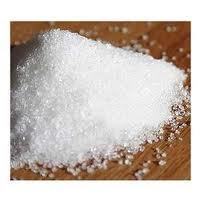

Price:
- 50
- 100
- 200
- 250
- 500
- 1000+

More Products in Chemicals Powders Category
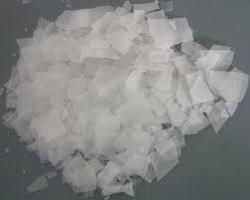
Caustic Potash Flake
Price 75 INR
Minimum Order Quantity : 25 Kilograms
Purity : Min. 90% KOH
CAS No : 1310583
Physical Form : Other, Flake
Shelf Life : 36 months in original packaging
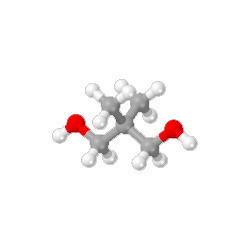
Neopentyl Glycol
Price 80 INR
Minimum Order Quantity : 25 Kilograms
Purity : Min 99.0%
CAS No : 126307
Physical Form : Solid
Shelf Life : 2 years
Para Tertiary Octyl Phenol
Price 170 INR
Minimum Order Quantity : 25 Kilograms
Purity : >=99%
CAS No : 140669
Physical Form : Liquid
Shelf Life : 24 months
Iodide Powder
Price 50000 INR / Kilograms
Minimum Order Quantity : 25 Kilograms
Purity : 99%
CAS No : 20461545
Physical Form : Powder


 Send Inquiry
 Send Inquiry
 Send SMS
Developed and Managed by Infocom Network Private Limited.

