 English
 Spanish
 French
 German
 Italian
 Chinese (Simplified)
 Japanese
 Korean
 Arabic
 Portuguese
Call us now
08045476963

 Send Inquiry
Dibutyl Phthalate
Dibutyl Phthalate Specification
- Smell
- Slight aromatic odor
- Grade
- Industrial Grade
- Shape
- Liquid
- Storage
- Store in cool, dry place, avoid direct sunlight
- Refractive Rate
- 1.490 (20C)
- Molecular Weight
- 278.35 g/mol
- Application
- Plasticizer for PVC, adhesives, coatings, paints
- Product Type
- Dibutyl Phthalate
- Solubility
- Insoluble in water, soluble in organic solvents
- HS Code
- 29173200
- Shelf Life
- 12 months
- Structural Formula
- C6H4(CO2C4H9)2
- Density
- 1.045 Gram per cubic centimeter(g/cm3)
- Physical Form
- Liquid
- Molecular Formula
- C16H22O4
- Ph Level
- Neutral
- Purity
- 99% min
- EINECS No
- 201-557-4
- Poisonous
- YES
- CAS No
- 84-74-2
- Melting Point
- -35 C
- Usage
- Used in flexible plastics, nitrocellulose, rubber, paper, printing inks
- Other Names
- DBP
- Appearance
- Colorless oily liquid
- Flash Point
- 157 C (Closed cup)
- Auto Ignition Temperature
- 402C
- Compatibility
- Compatible with PVC, cellulose acetate, polyvinyl acetate
- Transport Information
- Not regulated under ADR/RID for land transport
- Hazard Class
- UN 3082, Class 9 (Environmentally hazardous)
- Viscosity
- 83-90 mPas at 25C
- Boiling Point
- 340 C
- Vapor Pressure
- 0.00013 mmHg at 25C
- UN Number
- 3082
- Packing
- In iron drums or ISO tanks
Dibutyl Phthalate Trade Information
- Minimum Order Quantity
- 25 Kilograms
- Payment Terms
- Letter of Credit (L/C), Paypal, Western Union, Cash in Advance (CID), Cash Advance (CA)
- Supply Ability
- 500 Kilograms Per Week
- Delivery Time
- 7 Days
- Sample Available
- Yes
- Sample Policy
- Sample costs shipping and taxes has to be paid by the buyer
- Main Export Market(s)
- Western Europe, Australia, Eastern Europe, Central America, Middle East, South America, Asia, North America, Africa
- Main Domestic Market
- All India
About Dibutyl Phthalate
Dibutyl Phthalate
It is widely used as:
- An additive to printing inks
- A common plasticizer
- An additive to adhesives.
Specification
| Brand | Indegenous |
| Packaging Size | 225 Kgs |
| Packaging Type | Drum |
| Usage | Fragrance |
| Grade Standard | Industrial |
Application Versatility
Dibutyl Phthalate is primarily used as a plasticizer, imparting flexibility and durability to PVC, coatings, adhesives, and printing inks. Its compatibility with polymers extends its utility to rubbers, papers, and nitrocellulose products, allowing manufacturers to tailor material properties for diverse industrial purposes.
Safe Handling and Storage
Given its classification as toxic and environmentally hazardous (UN 3082, Class 9), DBP requires stringent storage protocols. It should be kept in iron drums or ISO tanks in cool, dry places, avoiding direct sunlight to maintain stability and safety throughout its 12-month shelf life. Proper handling mitigates potential health risks associated with exposure.
Transportation and Regulatory Compliance
DBP is not regulated under ADR/RID for land transport, simplifying logistics within regions such as India. However, its hazardous designation necessitates compliance with international regulations for sea and air transport. Exporters and importers must ensure proper documentation and packing to prevent environmental impact and meet safety standards.
FAQs of Dibutyl Phthalate:
Q: How is Dibutyl Phthalate commonly used in manufacturing industries?
A: Dibutyl Phthalate is used primarily as a plasticizer in the production of flexible plastics, PVC, adhesives, paints, coatings, rubber, nitrocellulose, and printing inks. It imparts flexibility and workability to polymer materials, enhancing product durability and performance.Q: What safety precautions should be taken when storing and handling DBP?
A: Since DBP is classified as toxic and environmentally hazardous, it must be stored in iron drums or ISO tanks in a cool, dry place, away from direct sunlight. Careful handling with protective equipment is recommended to prevent skin, eye, or respiratory exposure.Q: When does Dibutyl Phthalate require special transport documentation?
A: For international sea or air transport, DBP must be shipped as a hazardous substance with proper documentation, adhering to UN 3082, Class 9 guidelines. For land transport, such as under ADR/RID, it is not regulated, which eases logistics in certain regions.Q: Where can Dibutyl Phthalate be applied for optimal benefit?
A: DBP is most effective in applications requiring plasticization and flexibility, such as in PVC products, adhesives, coatings, and rubber manufacturing. Its ability to blend with cellulose acetate and polyvinyl acetate extends its use to polymer processing and printing inks.Q: What is the process for using DBP as a plasticizer?
A: Manufacturers mix Dibutyl Phthalate with resin systems during formulation. Its colorless, oily liquid form allows for easy blending with various polymers, resulting in improved flexibility, elongation, and workability of the finished product.Q: What are the main benefits of using Dibutyl Phthalate in industrial applications?
A: DBP enhances material flexibility, improves processability, and provides a neutral pH with consistent performance. Its high purity and compatibility with multiple polymers make it a reliable choice for manufacturers seeking quality and consistency in finished goods.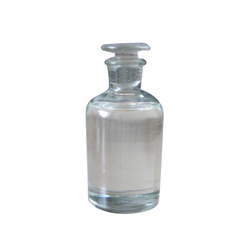

Price:
- 50
- 100
- 200
- 250
- 500
- 1000+

More Products in Cleaning Chemicals Category

Dimethyl Terephthalate
Price 125 INR / Kilograms
Minimum Order Quantity : 25 Kilograms
Storage : Other, Store in cool, dry, wellventilated area
Shelf Life : 2 years
Solubility : Insoluble in water, soluble in ethanol and benzene
Physical Form : Solid

Methyl Isobutyl Ketone
Price 135 INR
Minimum Order Quantity : 25 Kilograms
Storage : Other, Keep Container Tightly Closed in a Cool, WellVentilated Place, Away from Sources of Ignition
Shelf Life : 24 Months
Solubility : Slightly Soluble in Water, Soluble in Most Organic Solvents
Physical Form : Liquid
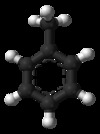
Toluene
Price 60 INR
Minimum Order Quantity : 25 Kilograms
Storage : Other, Store in cool, dry, wellventilated area away from heat, sparks, flames and oxidizers
Shelf Life : 1224 months in sealed containers under proper storage
Solubility : Insoluble in water, soluble in alcohol, ether, acetone, benzene
Physical Form : Liquid
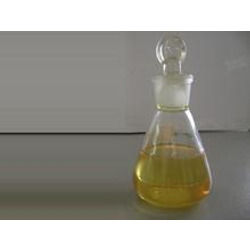
Monoethanolamine
Price 85 INR
Minimum Order Quantity : 25 Kilograms
Storage : Other, Store in a cool, dry, wellventilated area away from incompatible substances
Shelf Life : 2 years
Solubility : Completely miscible in water
Physical Form : Liquid


 Send Inquiry
 Send Inquiry
 Send SMS
Developed and Managed by Infocom Network Private Limited.

