 English
 Spanish
 French
 German
 Italian
 Chinese (Simplified)
 Japanese
 Korean
 Arabic
 Portuguese
Call us now
08045476963

 Send Inquiry
Para Toluene Sulfonic Acid PTSA
MOQ : 25 Kilograms
Para Toluene Sulfonic Acid PTSA Specification
- Ingredients
- Para Toluene Sulfonic Acid, minor impurities
- Molecular Weight
- 172.20 g/mol
- Ph Level
- <1 (1% solution)
- Melting Point
- 103-106°C
- Usage
- Used as catalyst for organic reactions, resin manufacture, curing agent, intermediate in chemical synthesis
- Shelf Life
- 24 months under recommended storage conditions
- Physical Form
- Powder / Flakes / Granules
- Purity
- 98% min
- CAS No
- 104-15-4
- Shape
- Granular / Flakes / Powder
- Application
- Catalyst in esterification, manufacture of resins, dyes, pharmaceuticals, and as a curing agent in epoxy systems
- Properties
- Strong organic acid, versatile sulfonating agent, soluble in water and many organic solvents
- Product Type
- Acid
- Grade
- Industrial Grade
- Solubility
- Soluble in water, alcohol, ether, and other polar solvents
- Structural Formula
- C6H4CH3SO3H
- HS Code
- 29041090
- EINECS No
- 203-180-0
- Density
- 1.36 Gram per cubic centimeter(g/cm3)
- Storage
- Store in a tightly closed container in a cool, dry, and ventilated area, away from moisture and incompatible substances
- Poisonous
- Corrosive, not classified as toxic but can cause burns
- Molecular Formula
- C7H8SO3
- Smell
- Slight aromatic odor
- Appearance
- White to off-white crystalline solid
- Packaging
- 25 kg / 50 kg bags or drums
- Boiling Point
- Not applicable (Decomposes)
- UN Number
- 2585
- Transport
- Handle as a corrosive substance according to local regulations
- Stability
- Stable under normal storage and handling conditions
- Compatibility
- Incompatible with strong oxidizers and bases
- EC Number
- 203-180-0
- Hazard Class
- Corrosive, irritant
- pKa Value
- -2.8 (Very strong acid)
Para Toluene Sulfonic Acid PTSA Trade Information
- Minimum Order Quantity
- 25 Kilograms
- Payment Terms
- Letter of Credit (L/C), Paypal, Western Union, Cash in Advance (CID), Cash Advance (CA)
- Supply Ability
- 1000 Kilograms Kg Per Week
- Delivery Time
- 7 Days
- Sample Available
- Yes
- Sample Policy
- Sample costs shipping and taxes has to be paid by the buyer
- Main Export Market(s)
- Western Europe, Australia, North America, Eastern Europe, Middle East, Central America, South America, Asia, Africa
- Main Domestic Market
- All India
About Para Toluene Sulfonic Acid PTSA
We are a reputed firm which caters to the diversified requirements of industries by offering remarkable Para Toluene Sulfonic Acid PTSA. Under the strict observation of the expert professionals our vendors formulate this using high quality compounds and latest machines. Thus, we are known as a leading supplier, exporter, trader, distributor, retailer and importer. Moreover, this is packed in quality approved packaging materials; our clients can avail this Para Toluene Sulfonic Acid PTSA at pocket friendly prices.
Features:
- Long shelf life
- Quality approved
- Effective
- Highly pure
Other details:
- Appearance: off-white/ white powder.
- Free sulphate: max 1%.
- Assay: 99. 0% 1%
- Moisture: 10. 0% max
- Solubility: soluble in water and alcohol.
- Hygroscopicity: extremely hygroscopic
- Reaction catalyst.
- Hydrotropic agent.
- Sodium ptsa
Store in well closed container/bag in cool and dry place.
Versatility and Key Applications
PTSA stands out for its diverse industrial applications. It serves as a powerful catalyst in esterification and polymerization reactions, and facilitates the production of resins, dyes, and pharmaceuticals. Additionally, it acts as a crucial curing agent in epoxy systems, ensuring robust and efficient chemical synthesisall attributed to its remarkable acidity and solubility.
Safe Handling and Storage
As a corrosive and irritant substance (UN Number: 2585), PTSA must be handled using proper personal protective equipment. Storage in a tightly sealed container, in a cool, dry, and ventilated space, keeps it stable and extends its usability. Avoiding exposure to moisture and incompatible substances is necessary for safety and product preservation.
FAQs of Para Toluene Sulfonic Acid PTSA:
Q: How should Para Toluene Sulfonic Acid (PTSA) be stored and handled safely?
A: PTSA should be stored in tightly closed containers in cool, dry, and well-ventilated areas, away from moisture, bases, and strong oxidizers. Always use gloves, eye protection, and other personal protective equipment when handling due to its corrosive and irritant nature.Q: What are the primary benefits of using PTSA in chemical synthesis or industrial processes?
A: The main benefits of PTSA include its powerful catalytic properties and high solubility in water and organic solvents. It promotes rapid, efficient reactions in resin, dye, and pharmaceutical synthesis, making it a versatile and reliable acid catalyst and sulfonating agent.Q: Where is PTSA commonly used in industrial applications?
A: PTSA is widely employed in esterification, resin manufacturing, dye production, pharmaceuticals, and as a curing agent in epoxy systems. Its strong acidity and stability make it valuable in these industries for accelerating chemical processes and improving product quality.Q: When is PTSA preferred over other acids in chemical reactions?
A: PTSA is chosen over other acids when a non-volatile, non-oxidizing, and highly soluble acid catalyst is needed, especially in organic reactions where strong, efficient sulfonation or catalysis is required without introducing moisture.Q: What is the recommended process for disposing of PTSA waste?
A: PTSA waste should be disposed of according to local hazardous waste regulations. Neutralize any small spills with a suitable base before disposal, and consult environmental health and safety guidelines to ensure safe handling and compliance.Q: Which packaging options are available for industrial supply of PTSA?
A: PTSA is available in 25 kg or 50 kg bags or drums. Packaging is designed to protect the product from moisture and contamination during storage and transport.Q: How does the strong acidity of PTSA benefit its performance as a catalyst?
A: With a pKa of -2.8, PTSA functions as an exceptionally strong acid. This enables efficient protonation of reactants, leading to faster and more complete chemical transformations in various industrial and laboratory settings.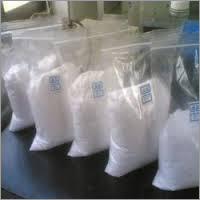
Tell us about your requirement

Price:
Quantity
Select Unit
- 50
- 100
- 200
- 250
- 500
- 1000+
Additional detail
Mobile number
Email

More Products in Speciality Chemicals Category
Tri Phenyl Phosphite
Price 225 INR
Minimum Order Quantity : 10 Liters
Application : Industrial
Shelf Life : 1 Years
Grade : Industrial Grade
Purity : 99%

ANTARES CHEM PRIVATE LIMITED

First Floor, A-27 A-Wing, Satyam Shopping Center, M.G. Road, Ghatkopar East,Mumbai - 400077, Maharashtra, India
Phone :08045476963
Mr Hemang Khetani
(Director)
Mobile :08045476963
Mr. Chintan Khetani
(Director)
Mobile :08045476963
 Send Inquiry
 Send Inquiry
 Send SMS
 Call Me Free
ANTARES CHEM PRIVATE LIMITED
All Rights Reserved.(Terms of Use)
Developed and Managed by Infocom Network Private Limited.
Developed and Managed by Infocom Network Private Limited.

