 English
 Spanish
 French
 German
 Italian
 Chinese (Simplified)
 Japanese
 Korean
 Arabic
 Portuguese
Call us now
08045476963

 Send Inquiry
L Tartaric Acid
L Tartaric Acid Specification
- Usage
- Used as acidulant, stabilizer, antioxidant, flavoring agent, chelating agent
- Shelf Life
- 3 Years
- Smell
- Odorless
- Grade
- Food Grade, Pharma Grade, Industrial Grade
- Structural Formula
- (HOOC-CHOH)_2
- Application
- Food, pharmaceutical, beverage, construction, cosmetics, electroplating, tanning industries
- Melting Point
- 168-170C
- Poisonous
- Non-Poisonous
- CAS No
- 87-69-4
- Shape
- Crystal (powder form)
- Ph Level
- 2.2 (1% solution)
- Storage
- Store in cool, dry, well-ventilated place, away from moisture & sunlight
- Physical Form
- Powder
- Density
- 1.76 Gram per cubic centimeter(g/cm3)
- Product Type
- Organic Acid
- Properties
- High purity, colorless crystalline powder, acidulant and chelating agent.
- Appearance
- White Crystalline Powder
- Ingredients
- L-Tartaric Acid
- Molecular Weight
- 150.09 g/mol
- Purity
- 99.5% Min
- Solubility
- Soluble in water, ethanol
- Taste
- Strongly Acidic
- EINECS No
- 201-766-0
- HS Code
- 29181300
- Molecular Formula
- C4H6O6
- Arsenic Content
- 1 ppm
- Boiling Point
- Decomposes
- Loss on Drying
- 0.5%
- Heavy Metals
- 10 ppm
- Lead Content
- 2 ppm
- Microbial Limit
- Complies with pharmacopeia standards
- Chloride
- 100 ppm
- pKa
- 2.98, 4.34
- Allergen Information
- Allergen-free
- Packing
- 25 Kg Bag/Drum
- Sulfate
- 150 ppm
- GMO Status
- Non-GMO
- Residue on Ignition
- 0.05%
L Tartaric Acid Trade Information
- Minimum Order Quantity
- 25 Kilograms
- Payment Terms
- Letter of Credit (L/C), Paypal, Western Union, Cash in Advance (CID), Cash Advance (CA)
- Supply Ability
- 1000 Kilograms Per Week
- Delivery Time
- 7 Days
- Sample Available
- Yes
- Sample Policy
- Sample costs shipping and taxes has to be paid by the buyer
- Main Export Market(s)
- Western Europe, Australia, Eastern Europe, Central America, Middle East, South America, Asia, North America, Africa
- Main Domestic Market
- All India
About L Tartaric Acid
L Tartaric Acid
With the aid of our meticulous workforce, we are presenting widespread array of quality assured L Tartaric Acid to our clients. This L tartaric acid is formulated by using the quality proven chemical compounds & chemical reactions. Our offered L tartaric acid is examined on quality factors under the direction of quality specialist. Moreover, this L tartaric acid is provided in different packaging options & reasonable rates.
Features:
- Precise pH value
- Accurate composition
- Longer shelf life
| Usage | Commercial |
| Physical State | Powder |
| Grade Standard | Technical Grade |
Key Features and Benefits
L-Tartaric Acid offers exceptional purity (99.5% min) and versatile functionality. Its strong acidity and chelating capabilities enhance food flavor and stability, promote consistent product quality in pharmaceuticals, and improve various industrial processes. Being allergen-free, non-GMO, and compliant with pharmacopeia microbial limits ensures safety across all applications.
Safe Storage and Handling
To preserve L-Tartaric Acids quality, store it in a cool, dry, well-ventilated area away from direct sunlight and moisture. Follow standard safety practices, including using protective gear when handling large quantities. Its 3-year shelf life ensures long-term usability for bulk buyers and manufacturers.
Diverse Industrial Applications
L-Tartaric Acid is a critical ingredient in diverse sectorsimproving tartness in foods and beverages, acting as a stabilizer and excipient in pharmaceuticals, and serving as a chelating or tanning agent in construction, electroplating, and leather industries. Its high solubility, purity, and non-toxic nature make it a reliable choice for manufacturers.
FAQs of L Tartaric Acid:
Q: How is L-Tartaric Acid typically used in different industries?
A: L-Tartaric Acid serves multiple purposes: as an acidulant and flavoring in food and beverages, a stabilizer and antioxidant in pharmaceuticals, and a chelating or processing agent in sectors like construction, electroplating, and tanning. Its versatility makes it a valuable component in global manufacturing processes.Q: What measures ensure the safety and purity of L-Tartaric Acid?
A: Each batch is rigorously tested for heavy metals (10 ppm), lead (2 ppm), arsenic (1 ppm), and microbial compliance with pharmacopeia standards. It is allergen-free, non-GMO, non-poisonous, and meets strict residue and purity (99.5% min) specifications to ensure the highest quality and safety.Q: When should L-Tartaric Acid be added during food or pharmaceutical production?
A: L-Tartaric Acid is best incorporated during the mixing phase to ensure even dispersion. Its strong acidity and solubility help standardize pH and enhance flavor or stability, making it ideal for early addition in production processes across different applications.Q: Where should L-Tartaric Acid be stored to maintain its effectiveness?
A: To maintain its crystalline purity and activity, L-Tartaric Acid should be stored in a cool, dry, well-ventilated area, protected from moisture and direct sunlight. Proper storage safeguards product shelf life, which is up to three years under recommended conditions.Q: What are the benefits of using L-Tartaric Acid in formulations?
A: L-Tartaric Acid enhances product texture, flavor, and stability in foods and beverages, improves the shelf life and consistency of pharmaceuticals, and offers efficient chemical reactivity in industrial applications, all while being non-allergenic and environmentally safe.Q: How is L-Tartaric Acid packaged for shipment and bulk use?
A: The product is supplied in 25 Kg bags or drums, suitable for bulk handling and international trading. Robust packaging prevents contamination and moisture ingress, ensuring the material reaches end-users in optimal condition.Q: What distinguishes L-Tartaric Acid from other acids used in industry?
A: L-Tartaric Acids high purity, strong acidity, odorless nature, and broad solubilityin addition to its allergen-free and non-GMO profileset it apart from other acidulants. Its dual-grade certification (food and pharma) and compliance with international standards further distinguish it for diverse uses.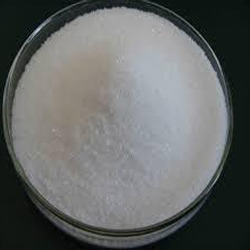

Price:
- 50
- 100
- 200
- 250
- 500
- 1000+

More Products in Chemicals Powders Category
Lactose Chemical
Price 85 INR
Minimum Order Quantity : 25 Kilograms
Purity : 99% min
Physical Form : Powder
Product Type : Chemical
Molecular Formula : C12H22O11
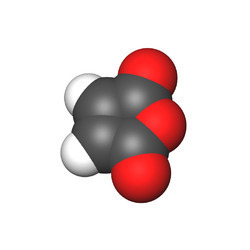
Maleic Anhydride
Price 100 INR
Minimum Order Quantity : 25 Kilograms
Purity : 99% Min
Physical Form : Powder
Product Type : Organic Compound
Molecular Formula : C4H2O3
Barium Peroxide
Price 120 INR
Minimum Order Quantity : 25 Kilograms
Purity : Min 95%
Physical Form : Powder
Product Type : Industrial Chemical
Molecular Formula : BaO2
Para Tertiary Octyl Phenol
Price 170 INR
Minimum Order Quantity : 25 Kilograms
Purity : >=99%
Physical Form : Liquid
Product Type : Organic Compound
Molecular Formula : C14H22O


 Send Inquiry
 Send Inquiry
 Send SMS
Developed and Managed by Infocom Network Private Limited.

