 English
 Spanish
 French
 German
 Italian
 Chinese (Simplified)
 Japanese
 Korean
 Arabic
 Portuguese
Call us now
08045476963

 Send Inquiry
Aniline Oil
Aniline Oil Specification
- Molecular Weight
- 93.13 g/mol
- Melting Point
- 6 C
- Ph Level
- 8.1 (for aqueous solution)
- Other Names
- Phenylamine, Aminobenzene
- Shape
- Liquid
- Smell
- Characteristic aromatic, amine-like odour
- HS Code
- 292141
- Form
- Liquid
- Density
- 1.021 Gram per cubic centimeter(g/cm3)
- Molecular Formula
- C6H7N
- Refractive Rate
- 1.586
- Storage
- Store in cool, dry, and well-ventilated area; keep container tightly closed
- Boiling point
- 184 C
- Purity
- 99% min
- Structural Formula
- C6H5NH2
- Poisonous
- Yes
- Solubility
- Slightly soluble in water; miscible with most organic solvents
- Classification
- Aromatic amine
- Chemical Name
- Aniline
- CAS No
- 62-53-3
- EINECS No
- 200-539-3
- Grade
- Industrial Grade
- Standard
- Complies with industrial standard
- Type
- Liquid chemical
- Usage
- Industrial
- Main Material
- Aniline
- Application
- Used in rubber processing, dye manufacturing, pharmaceuticals, and explosives
- Transportation
- Classified as hazardous material for transport
- Shelf Life
- 2 years
- Compatibility
- Avoid strong oxidizers and acids
- Minimum Order Quantity
- 50 kg
- Autoignition Temperature
- 630 C
- Vapor Pressure
- 0.6 mmHg at 25 C
- Packaging
- Drums or bulk
- Appearance
- Colorless to slightly yellow oily liquid
- Flash Point
- 70 C
- Stability
- Stable under normal conditions
- Hazard
- Toxic; may be harmful if inhaled or absorbed through skin
Aniline Oil Trade Information
- Minimum Order Quantity
- 1 Dram
- Payment Terms
- Paypal, Letter of Credit (L/C), Western Union, Cash Advance (CA), Cash in Advance (CID)
- Supply Ability
- 50 Drams Drams Per Week
- Delivery Time
- 7 Days
- Sample Available
- Yes
- Sample Policy
- Sample costs shipping and taxes has to be paid by the buyer
- Main Export Market(s)
- Western Europe, Australia, North America, Eastern Europe, Central America, Middle East, South America, Asia, Africa
- Main Domestic Market
- All India
About Aniline Oil
Aniline Oil
Backed by a team of skilled professionals, our company is able to offer a qualitative range of Aniline Oil. The offered aniline oil is processed according to the market norms by utilizing best grade chemical compounds in accurate composition. Apart from this, we offer this aniline oil in number of packaging options with different stipulations at affordable rates.
Features:
- Highly effective
- Colorfastness
- Long shelf life
Product Identification:
- Cas No.: 62-53-3
- Einecs No.: 200-539-3
- Formula: C6H5Nh2
- Mol Wt.: 93.13
- H.S. Code: 2921.41
- Toxicity: Oral Rat Ld50: 250 Mg/Kg
Key Applications and Benefits
Aniline Oil stands out for its indispensable role in several industries. It is commonly used as a precursor for dyes, pigments, rubber chemicals, pharmaceuticals, and explosive manufacturing. Its high purity and compatibility with most organic solvents make it ideal for precise industrial formulations. Reliable performance, consistent quality, and quick solubility contribute to efficient processing and high product yield.
Safe Handling and Storage
Due to its toxic nature, Aniline Oil must be handled with protective measures. Use in well-ventilated areas, avoid direct skin contact, and prevent inhalation of vapors. Store the chemical in tightly sealed containers within cool, dry, and well-ventilated facilities. Keep it away from strong oxidizers and acids to maintain stability and safety. Proper storage extends its shelf life up to two years.
Packaging and Transportation Details
Supplied typically in drums or bulk quantities, Aniline Oil meets industrial packaging standards and is suitable for large-scale use. As it is classified as a hazardous material for transport, strict adherence to regulatory guidelines is essential during transportation. The minimum order quantity is 50 kg, providing flexibility for various business requirements. Export and import services are available for delivery in India and internationally.
FAQs of Aniline Oil:
Q: How should Aniline Oil be safely handled in an industrial setting?
A: Aniline Oil should be handled in well-ventilated areas while wearing protective clothing, gloves, and goggles to prevent inhalation and skin absorption. Proper handling procedures and equipment are crucial due to its toxic nature.Q: What is the recommended process for storing Aniline Oil?
A: Store Aniline Oil in tightly closed containers made from compatible materials, placed in cool, dry, and well-ventilated locations. Avoid exposure to strong oxidizers and acids to ensure stability and safety. Follow all hazardous material storage guidelines.Q: Where is Aniline Oil commonly used in industry?
A: Aniline Oil is widely used in industries such as dye and pigment manufacturing, rubber processing, pharmaceuticals, and explosives production, due to its effective chemical properties and high purity.Q: When does Aniline Oil expire, and how can its shelf life be preserved?
A: Aniline Oil has a shelf life of 2 years when stored properly. Keep containers tightly sealed and in recommended storage conditions to maintain chemical integrity until the stated shelf life.Q: What are the main benefits of using Aniline Oil in manufacturing?
A: Aniline Oil offers high purity, versatility, and compatibility with most organic solvents, making it ideal for various industrial processes. Its reliability and effectiveness contribute to better productivity and product quality.Q: How can Aniline Oil be transported safely?
A: Given its hazardous nature, Aniline Oil should be transported in compliant packaging, such as drums or bulk containers. Adhere to all national and international transport regulations for hazardous materials to ensure safe delivery.Q: What precautions should be taken to prevent hazardous reactions with Aniline Oil?
A: Aniline Oil should not come into contact with strong oxidizers or acids, as these can cause dangerous reactions. Always store and handle the product according to recommended safety protocols.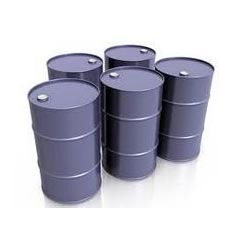

Price:
- 50
- 100
- 200
- 250
- 500
- 1000+

More Products in Industrial Chemicals Category
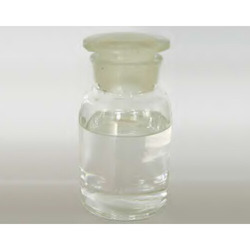
Dioctyl Phthalate
Price 80 INR
Minimum Order Quantity : 25 Kilograms
Usage : Industrial, chemical manufacturing, plastics
Grade : Industrial Grade
CAS No : 117817
Application : Other, Used as plasticizer for PVC, rubber, and other polymers
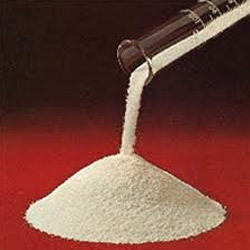
White Soda Ash
Price 25 INR
Minimum Order Quantity : 25 Kilograms
Usage : Industrial, Laboratory
Grade : Industrial Grade
CAS No : 497198
Application : Other, Glass manufacturing, detergent, water treatment, chemical production
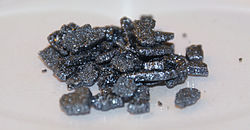
Crude Iodine
Price 5000 INR
Minimum Order Quantity : 25 Kilograms
Usage : Used as raw material in various industrial and medical applications
Grade : Other, Crude
CAS No : 7553562
Application : Other, Pharmaceutical, chemical synthesis, antiseptics, dyes, photography, nutrition
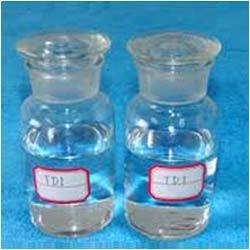
Liquid Toluene Diisocyanate
Price 150 INR
Minimum Order Quantity : 25 Kilograms
Usage : Industrial chemical for foam and polymer production
Grade : Industrial Grade
CAS No : 584849
Application : Other, Used in the manufacture of polyurethane foams, elastomers, coatings, adhesives, and sealants


 Send Inquiry
 Send Inquiry
 Send SMS
 Call Me Free
Developed and Managed by Infocom Network Private Limited.

