 English
 Spanish
 French
 German
 Italian
 Chinese (Simplified)
 Japanese
 Korean
 Arabic
 Portuguese
Call us now
08045476963

 Send Inquiry
Liquid Mercury Metal
Price 41000.0 INR/ Kilograms
MOQ : 1 Kilograms
Liquid Mercury Metal Specification
- EINECS No
- 231-106-7
- Structural Formula
- Hg
- Refractive Rate
- Approximately 1.0006
- Appearance
- Silvery liquid
- Grade
- Analytical / Industrial
- Purity
- 99.99%
- Shelf Life
- Stable under proper storage conditions
- Melting Point
- -38.83C
- Smell
- Odorless
- HS Code
- 28054000
- Storage
- Store in tightly closed containers; keep away from heat, acids, and strong oxidizers, in a cool, well-ventilated place
- Molecular Weight
- 200.59 g/mol
- Shape
- Liquid, formless
- CAS No
- 7439-97-6
- Product Type
- Industrial Chemical
- Density
- 13.534 Gram per cubic centimeter(g/cm3)
- Ingredients
- Pure Mercury (Hg)
- Solubility
- Insoluble in water; soluble in nitric and concentrated sulfuric acid
- Ph Level
- Neutral (7)
- Taste
- Tasteless
- Molecular Formula
- Hg
- Usage
- For laboratory, research, industrial, and electrical equipment manufacturing
- Application
- Used in thermometers, barometers, fluorescent lighting, electrical switches, and scientific instruments
- Properties
- Silvery, heavy, and mobile metal; highly toxic; conducts electricity; nonflammable; does not react with most acids at room temperature.
- Poisonous
- YES
- Physical Form
- Liquid
- Hazard Class
- UN 2809, Class 8 (Corrosive)
- Boiling Point
- 356.73C
- Flash Point
- Non-flammable
- Color
- Silvery-white
- Ecological Information
- Very toxic to aquatic life, persistent in the environment
- Packing Group
- III
- Stability
- Stable under normal temperatures and pressures
- Packaging Details
- Sealed containers, typically in bottles or flasks, secondary containment recommended
- UN Number
- 2809
- Vapor Pressure
- 0.002 mmHg at 25C
Liquid Mercury Metal Trade Information
- Minimum Order Quantity
- 1 Kilograms
- Payment Terms
- Letter of Credit (L/C), Paypal, Western Union, Cash Advance (CA), Cash in Advance (CID)
- Supply Ability
- 10 Kilograms Kg Per Week
- Delivery Time
- 7 Days
- Sample Available
- Yes
- Sample Policy
- Sample costs shipping and taxes has to be paid by the buyer
- Main Export Market(s)
- Western Europe, Central America, Eastern Europe, Middle East, South America, Australia, Asia, North America, Africa
- Main Domestic Market
- All India
About Liquid Mercury Metal
Our enterprise is run by a team of highly qualified personnel, who helps us to provide Mercury. This is massively used in rectifier equipment, electrical instrumentation industry, vacuum pump, for measurement, control apparatus, in the lighting industry, mercury lamp, fluorescent lamp, ultraviolet lamp, medical thermometer and other devices. Mercury is a silvery-white heavy metal, when it is compared to other metals, it is a poor conductor of heat, but a fair conductor of electricity. This has a freezing point of 38.83 C and a boiling point of 356.73 C, both exceptionally low for a metal.
Features:
- Liquid at room temperature
- Shiny, fast-moving liquid form
- Effective
- Reasonable prices
Specification
| Usage | Industrial |
| Packaging Size | 25-50 L |
| Physical State | Liquid |
| Grade Standard | Analytical Grade |
Applications and Uses
Mercury is primarily used in thermometers, barometers, fluorescent lighting, electrical switches, and scientific instruments. Its liquid form and ability to conduct electricity make it valuable for laboratory experiments, research, and specialized industrial processes. Manufacturers utilize it in equipment that requires precise measurements or reliable electrical contacts.
Handling and Safety Measures
Given its high toxicity and persistent environmental impact, mercury should be handled with extreme care. Use sealed bottles or flasks and always ensure secondary containment to prevent leaks. Storage must be in a cool, ventilated place, far from heat, acids, or strong oxidizers. Safety protocols should prioritize minimizing exposure and preventing environmental contamination.
Physical and Chemical Properties
Mercury is a dense, silvery liquid that is neutral (pH 7) and insoluble in water but soluble in some acids. It is stable at room temperature, non-flammable, and features a low vapor pressure at 25C, reducing evaporation risks. The metals heavy and mobile nature supports its use in precision instruments and advanced research settings.
FAQs of Liquid Mercury Metal:
Q: How should liquid mercury be stored safely to avoid hazards?
A: Liquid mercury must be kept in tightly sealed containers, ideally with secondary containment, in a cool and well-ventilated storage area. It should be placed away from sources of heat, acids, and strong oxidizers to ensure stability and prevent environmental contamination.Q: What are the main industrial and laboratory applications of mercury metal?
A: Mercury is widely used in laboratory research, scientific instrumentation, thermometers, barometers, fluorescent lighting, and electrical switches. Its unique liquid state and conductive properties enable accurate measurements and reliable device operation.Q: When should mercury be handled with special precautions?
A: Always use special precautions when transferring, storing, or disposing of liquid mercury, due to its toxicity and environmental persistence. Protective equipment, proper containerization, and spill prevention measures are essential during all stages of handling.Q: Where is mercury commonly used in manufacturing processes?
A: Mercury finds use in laboratories, electrical equipment manufacturing, and scientific industries throughout India and globally. It is commonly incorporated into devices that require precise temperature or pressure measurements, and in fluorescent lighting systems.Q: What processes involve mercury in scientific instruments?
A: Mercurys stability and mobility allow it to act as a sensitive medium in thermometers, barometers, and other devices that measure temperature or pressure. Its electrical conductivity also supports use in switches and specialized scientific apparatus.Q: What are the key benefits of using mercury in critical equipment?
A: Mercurys liquid state, high density, and excellent electrical conductivity enable accurate and durable measurements in precision equipment. It provides reliability in applications where stable responses and minimal reactivity are required.Q: Is mercury hazardous to the environment, and what should be done for safe disposal?
A: Mercury is highly toxic to aquatic life and persists in the environment, so safe disposal is crucial. It must be treated as hazardous waste, managed according to local regulations, and never released into water systems to prevent ecological damage.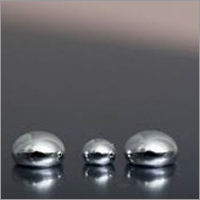
Tell us about your requirement

Price:
Quantity
Select Unit
- 50
- 100
- 200
- 250
- 500
- 1000+
Additional detail
Mobile number
Email

More Products in Chemical Compound Category
Technical Grade Powder Sodium Perborate
Price 105 INR
Minimum Order Quantity : 1 , , Kilograms
Application : Industrial
Storage : Room Temperature
Purity : 99%
Ph Level : 10 to 11

ANTARES CHEM PRIVATE LIMITED

First Floor, A-27 A-Wing, Satyam Shopping Center, M.G. Road, Ghatkopar East,Mumbai - 400077, Maharashtra, India
Phone :08045476963
Mr Hemang Khetani
(Director)
Mobile :08045476963
Mr. Chintan Khetani
(Director)
Mobile :08045476963
 Send Inquiry
 Send Inquiry
 Send SMS
ANTARES CHEM PRIVATE LIMITED
All Rights Reserved.(Terms of Use)
Developed and Managed by Infocom Network Private Limited.
Developed and Managed by Infocom Network Private Limited.

