 English
 Spanish
 French
 German
 Italian
 Chinese (Simplified)
 Japanese
 Korean
 Arabic
 Portuguese
Call us now
08045476963

 Send Inquiry
Triethanolamine
Triethanolamine Specification
- Viscosity
- 450 cP (at 20C)
- Heavy Metal (%)
- 0.001%
- Residue on Ignition
- 0.05%
- Storage
- Cool and Dry Place
- Assay
- 99.0%
- Moisture (%)
- 0.5%
- Particle Size
- Not Applicable (Liquid)
- Boiling point
- 360C
- Molecular Formula
- C6H15NO3
- Acid Value
- Max 1.0 mg KOH/g
- Loss on Drying
- 0.5%
- HS Code
- 2922 1300
- Place of Origin
- India
- Melting Point
- 21C
- Molecular Weight
- 149.19 g/mol
- EINECS No
- 203-049-8
- Ph Level
- 10.5 (10% aq. solution)
- Other Names
- TEA, Triethylolamine
- CAS No
- 102-71-6
- Type
- Chemical
- Grade
- Industrial Grade
- Usage
- Surfactant, Emulsifier, Neutralizing Agent
- Purity
- 99% min
- Appearance
- Clear, Viscous Liquid
- Application
- Textile, Detergents, Cosmetics, Pharmaceuticals
- Raw Material
- Ethylene oxide, Ammonia
- Smell
- Ammoniacal
- Color
- Colorless to Pale Yellow
- Form
- Liquid
- Flash Point
- 183C
- Packing
- 210 kg HDPE Drum / IBC
- Refractive Index
- 1.485
- Odor Threshold
- Less than 0.1 ppm
- Shelf Life
- 2 Years
- Hazard Class
- Not regulated for transport
- Surface Tension
- 47.0 mN/m (20C)
- Density
- 1.12 g/cm3 at 25C
- Solubility
- Miscible with Water, Alcohols, Acetone
Triethanolamine Trade Information
- Minimum Order Quantity
- 25 Kilograms
- Payment Terms
- Paypal, Letter of Credit (L/C), Western Union, Cash in Advance (CID), Cash Advance (CA)
- Supply Ability
- 500 Kilograms Per Week
- Delivery Time
- 7 Days
- Sample Available
- Yes
- Sample Policy
- Sample costs shipping and taxes has to be paid by the buyer
- Main Export Market(s)
- Western Europe, Australia, Middle East, Central America, Eastern Europe, South America, Asia, North America, Africa
- Main Domestic Market
- All India
About Triethanolamine
Triethanolamine
With hard-earned experience of our adept professionals, we are engaged in offering a precisely composed range of Triethanolamine to our clients. For its enhanced quality, our professionals formulate the offered product with utmost care under strict climatic conditions. This product is tested on various parameters to ensure its effectiveness and accurate compositions. We offer this product at industry leading rates within a stipulated periods of time.
Features:
- Purity
- Non hazardous
- Long shelf life
Specification
| State of Matter | Liquid |
| Packaging Size | 220 Kgs |
| Form | Liquid |
| Density (g/cm Cube) | 1.13 |
| Boiling Point (deg. Celsius) | 335 |
| Purity (%) | 99 |
| Melting Point (deg. Celsius) | 21.60 |
| Grade Standard | Industrial Grade |
Superior Solubility and Versatile Use
Triethanolamine seamlessly dissolves in water, alcohols, and acetone, making it perfect for formulations requiring uniform distribution. Its use in surfactants, emulsifiers, and neutralizing agents supports diverse industries, from textiles to pharmaceuticals. With a refractive index of 1.485 and surface tension of 47.0 mN/m, it maintains consistency in numerous chemical processes and product preparations.
Industrial Grade Purity and Reliable Packaging
Supplied at industrial grade with a minimum purity of 99%, TEA is packed in robust 210 kg HDPE drums or IBCs. Its colorless to pale yellow appearance and ammoniacal smell assure quality. With a long shelf life of 2 years, proper storage in cool, dry conditions preserves its efficacy, supporting continuous manufacturing needs.
FAQs of Triethanolamine:
Q: How should Triethanolamine be stored to maintain its shelf life?
A: Triethanolamine should be stored in a cool, dry place, away from direct sunlight and incompatible substances, to maintain its shelf life of 2 years. Using sealed HDPE drums or IBCs prevents contamination and preserves chemical stability.Q: What are the main industrial applications of Triethanolamine?
A: Triethanolamine is used extensively as a surfactant, emulsifier, and neutralizing agent in the manufacturing of textiles, detergents, cosmetics, and pharmaceutical products. Its excellent solubility and stabilizing properties make it invaluable across these fields.Q: When is Triethanolamine preferred over other emulsifiers?
A: Triethanolamine is preferred in formulations requiring a combination of high solubility, a stable pH around 10.5, and efficient emulsification. Its miscibility with water and organic solvents makes it suitable for diverse product formulations, especially where a clear, viscous liquid is needed.Q: Where is Triethanolamine commonly sourced from?
A: Triethanolamine is produced in India, commonly available from chemical exporters, importers, and suppliers. It is manufactured using ethylene oxide and ammonia, ensuring consistent purity and quality standards.Q: What process is used to manufacture Triethanolamine?
A: Triethanolamine is synthesized through the reaction of ethylene oxide with ammonia. This process yields a clear, viscous liquid with high purity and consistent chemical properties, suitable for industrial-grade applications.Q: How does using Triethanolamine benefit product formulations?
A: Using Triethanolamine enhances product formulations by improving emulsification, stabilizing pH, and ensuring complete miscibility. These benefits contribute to smoother blending, better texture, and increased shelf life of finished products in textile, detergent, cosmetic, and pharmaceutical industries.

Price:
- 50
- 100
- 200
- 250
- 500
- 1000+

More Products in Pharmaceutical Chemicals Category
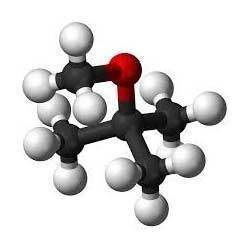
Methyl Tertiary Butyl Ether
Price 130 INR
Minimum Order Quantity : 25
Place of Origin : China
Grade : Other, Industrial Grade
Storage : Other, Store in a cool, dry, wellventilated area away from ignition sources
Form : Liquid
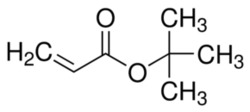
Tert-Butyl Acrylate
Price 500 INR
Minimum Order Quantity : 25 Kilograms
Place of Origin : China
Grade : Other, Industrial / Technical
Storage : Other, Store in a cool, dry, and wellventilated area. Keep container tightly closed.
Form : Liquid
Triethyl Orthoformate
Price 34000 INR
Minimum Order Quantity : 1 Dram
Place of Origin : China
Grade : Other, Industrial Grade/Pharma Grade
Storage : Other, Store in a cool, dry, wellventilated area, away from heat and sources of ignition
Form : Liquid
1-Bromo 3-Chloropropane
Price 56100 INR
Minimum Order Quantity : 1 Dram
Place of Origin : China
Grade : Other, Industrial/Analytical
Storage : Other, Store in a cool, dry and wellventilated place, away from heat and sources of ignition
Form : Liquid


 Send Inquiry
 Send Inquiry
 Send SMS
Developed and Managed by Infocom Network Private Limited.

