 English
 Spanish
 French
 German
 Italian
 Chinese (Simplified)
 Japanese
 Korean
 Arabic
 Portuguese
Call us now
08045476963

 Send Inquiry
Maleic Anhydride
Maleic Anhydride Specification
- Properties
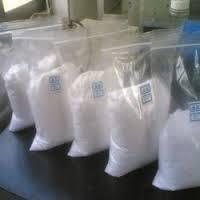
- White free flowing powder, characteristic acrid odor, highly reactive, forms maleic acid on hydrolysis.
- HS Code
- 29171400
- Refractive Rate
- 1.508
- Density
- 1.48 Gram per cubic centimeter(g/cm3)
- Storage
- Store in a cool, dry, well-ventilated area, away from direct sunlight and moisture
- Appearance
- White crystalline solid
- Ph Level
- Acidic
- Shape
- Crystals/Powder
- Usage
- Intermediate for manufacturing resins and plasticizers, lubricating oil additives, paper sizing, water treatment chemicals
- Smell
- Irritating, pungent odor
- Solubility
- Soluble in acetone, benzene, slightly soluble in water
- Structural Formula
- 2 / 313cC4H2O3 (drawn as per standard structural formula with two double-bonded oxygens and an anhydride ring)
- Shelf Life
- 2 years in original packaging
- Purity
- 99% Min
- Product Type
- Organic Compound
- Ingredients
- Maleic Anhydride
- Molecular Formula
- C4H2O3
- Physical Form
- Powder
- EINECS No
- 203-571-6
- Molecular Weight
- 98.06 g/mol
- Application
- Production of unsaturated polyester resins, coatings, agricultural chemicals, plasticizers, copolymers
- Poisonous
- Yes, toxic by inhalation or contact
- Melting Point
- 52.8 °C
- Grade
- Industrial Grade
- CAS No
- 108-31-6
- Taste
- Not for taste, corrosive
- Vapor Pressure
- 0.08 mm Hg at 25 C
- Transport Information
- UN 2215, Class 8 (corrosive), Packing Group III
- Flash Point
- 102 C (closed cup)
- Stability
- Stable under normal conditions, reacts with water to form maleic acid
- Hazards
- Causes burns, harmful if inhaled or ingested, may cause respiratory irritation
- UN Number
- 2215
- Risk Phrases
- R23/24/25, R34
- Boiling Point
- 202 C
- Autoignition Temperature
- 477 C
- Packing
- 25 kg, 500 kg bags, or as required
- Safety Phrases
- S26, S36/37/39, S45
Maleic Anhydride Trade Information
- Minimum Order Quantity
- 25 Kilograms
- Payment Terms
- Letter of Credit (L/C), Western Union, Paypal, Cash in Advance (CID), Cash Advance (CA)
- Supply Ability
- 500 Kilograms Per Week
- Delivery Time
- 7 Days
- Sample Available
- Yes
- Sample Policy
- Sample costs shipping and taxes has to be paid by the buyer
- Main Export Market(s)
- Western Europe, Australia, Middle East, Central America, Eastern Europe, South America, Asia, North America, Africa
- Main Domestic Market
- All India
About Maleic Anhydride
Maleic Anhydride
Surviving by transparent company policies, we are affianced in exporting, distributing, wholesaling, trading, retailing, importing and supplying an outstanding array of Maleic Anhydride. The offered Maleic anhydride is made with the advance technology & different chemical reactions according to the market norms. Our vendors experts of quality properly inspect this Maleic anhydride for its pure in nature and accurate composition. Along with that, consumers can purchase this Maleic anhydride in a bulk quantity at reasonable rates.
Features:
- Effective
- No side highly effective
- Water soluble
Specification
| Usage | Commercial |
| Usage | Industrial |
| Physical State | Granules |
| Grade Standard | Reagent Grade,Technical Grade |
Applications in Industry
Maleic Anhydride serves as a crucial raw material in the synthesis of unsaturated polyester resins, which are widely used in fiberglass-reinforced plastics, coatings, and adhesives. It also acts as an intermediate for plasticizers, agricultural chemicals, lubricating oil additives, and water treatment chemicals in industrial operations, ensuring high performance across various manufacturing sectors.
Safe Transport and Storage
Proper handling of Maleic Anhydride is essential due to its corrosive and toxic nature. The product is classified as UN 2215 (Class 8, Packing Group III) for transport and is typically supplied in 25 kg or 500 kg bags. To preserve quality and safety, it should be stored away from moisture and direct sunlight in a well-ventilated, cool, and dry area. Original packaging maintains its integrity for up to two years.
Key Physical and Chemical Properties
This compound is a white, free-flowing powder with a strong, acrid odor. Maleic Anhydride exhibits an acidic pH, a density of 1.48 g/cm, and a melting point of 52.8C. Its limited solubility in water, combined with high reactivity, makes it important for controlled processes. It hydrolyzes rapidly when exposed to moisture, forming maleic acid.
FAQs of Maleic Anhydride:
Q: How should Maleic Anhydride be safely handled and stored?
A: Handle Maleic Anhydride in a well-ventilated area, using protective gloves, clothing, and eye protection as it is corrosive and toxic. Store it in its original packaging in a cool, dry, well-ventilated space, away from moisture and sunlight, to preserve its stability and safety for up to two years.Q: What are the primary industrial uses of Maleic Anhydride?
A: Maleic Anhydride is primarily used in the production of unsaturated polyester resins, coatings, plasticizers, agricultural chemicals, copolymers, and lubricating oil additives. It acts as a vital intermediate in the chemical industry, supporting the manufacturing of diverse materials and chemicals.Q: When does Maleic Anhydride decompose or react, and what are the associated hazards?
A: Maleic Anhydride remains stable under normal conditions, but reacts rapidly with water to form maleic acid. Decomposition occurs when exposed to excessive heat, potentially releasing toxic fumes. Inhalation, ingestion, or direct contact can cause severe burns and respiratory irritation.Q: Where is Maleic Anhydride typically applied or processed?
A: This compound is processed in chemical manufacturing plants, resin production facilities, and industries involved in producing coatings, paper, and water treatment chemicals. Its applications span industrial sectors where it is handled by trained personnel with appropriate safety equipment.Q: What are the transport regulations for Maleic Anhydride?
A: Maleic Anhydride must be transported according to international regulations as a corrosive substance (UN 2215, Class 8, Packing Group III). It is usually shipped in 25 kg or 500 kg bags, with labeling and packaging requirements strictly followed to ensure safety during transit.Q: How is Maleic Anhydride beneficial in manufacturing processes?
A: Due to its high reactivity and purity, Maleic Anhydride enables efficient production of high-performance resins, additives, and specialty chemicals. Its use contributes to enhanced product quality and process versatility across several industries, supporting modern material advancements.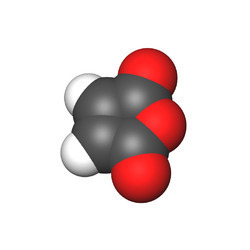

Price:
- 50
- 100
- 200
- 250
- 500
- 1000+

More Products in Chemicals Powders Category
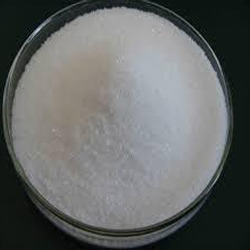
L Tartaric Acid
Price 150 INR
Minimum Order Quantity : 25 Kilograms
Storage : Other, Store in cool, dry, wellventilated place, away from moisture & sunlight
Shelf Life : 3 Years
Purity : 99.5% Min
Shape : other, Crystal (powder form)
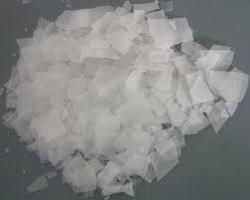
Caustic Potash Flake
Price 75 INR
Minimum Order Quantity : 25 Kilograms
Storage : Other, Store in tightly closed container, dry, cool, ventilated area. Protect from humidity and CO2.
Shelf Life : 36 months in original packaging
Purity : Min. 90% KOH
Shape : other, Flat, solid flakes
Barium Peroxide
Price 120 INR
Minimum Order Quantity : 25 Kilograms
Storage : Other, Store in tightly closed containers, in a cool, dry and wellventilated area, away from organic materials and combustibles
Shelf Life : Stable under recommended storage conditions
Purity : Min 95%
Shape : other, Crystalline, fine powder
PTSA Powder
Price 75 INR
Minimum Order Quantity : 25 Kilograms
Storage : Other, Keep container tightly closed in a cool, dry place; protect from light
Shelf Life : 24 months
Purity : >98%
Shape : other, Fine crystalline powder


 Send Inquiry
 Send Inquiry
 Send SMS
Developed and Managed by Infocom Network Private Limited.

