 English
 Spanish
 French
 German
 Italian
 Chinese (Simplified)
 Japanese
 Korean
 Arabic
 Portuguese
Call us now
08045476963

 Send Inquiry
Paraformaldehyde Chemical
Paraformaldehyde Chemical Specification
- Physical Form
- Powder
- Product Type
- Chemical
- Taste
- Pungent (due to formaldehyde vapors)
- Refractive Rate
- Not applicable / Data not available
- Structural Formula
- [OCH2]n
- Appearance
- White powder or crystalline solid
- Shelf Life
- 12 months
- Poisonous
- YES
- Usage
- Used as a source of formaldehyde in chemical industry, laboratory reagent, and for disinfecting
- Properties
- White crystalline granules or powder; releases formaldehyde gas when heated or dissolved
- Grade
- Industrial Grade
- Molecular Formula
- (CH2O)n
- Ingredients
- Paraformaldehyde polymer (linear polyoxymethylene)
- EINECS No
- 206-898-4
- Smell
- Pungent, strong formaldehyde odor
- Storage
- Store in a cool, dry, well-ventilated place away from sources of ignition
- Melting Point
- 120C 170C (depolymerization temperature)
- Ph Level
- Neutral to slightly acidic in aqueous solution
- Solubility
- Slightly soluble in cold water; more soluble in hot water
- HS Code
- 29126000
- Purity
- 96% - 98%
- Application
- Disinfectant, fungicide, fixative, resin manufacturing
- Molecular Weight
- Approx. 30.0 g/mol (monomer unit)
- Density
- 1.42 Gram per cubic centimeter(g/cm3)
- Shape
- Granule, powder
- CAS No
- 30525-89-4
- Ecological Information
- Very toxic to aquatic life
- Autoignition Temperature
- 300C
- Hazard Class
- UN 2213, class 4.1
- Decomposition Temperature
- Around 170C
- Boiling Point
- Decomposes before boiling
- Stability
- Stable under recommended storage conditions
- Compatibility
- Incompatible with strong acids, bases, oxidizing agents
- Packaging Type
- 25 kg / 50 kg HDPE bags or drums
- Flash Point
- 70C (closed cup)
Paraformaldehyde Chemical Trade Information
- Minimum Order Quantity
- 10 Bags
- Payment Terms
- Letter of Credit (L/C), Paypal, Western Union, Cash in Advance (CID), Cash Advance (CA)
- Supply Ability
- 100 Bags Per Week
- Delivery Time
- 7 Days
- Sample Available
- Yes
- Sample Policy
- Sample costs shipping and taxes has to be paid by the buyer
- Main Export Market(s)
- Western Europe, Australia, Eastern Europe, Middle East, South America, Asia, Central America, North America, Africa
- Main Domestic Market
- All India
About Paraformaldehyde Chemical
Paraformaldehyde
"This particular price varies on daily basis. Please call and check for the latest price"
Specifications:
| Methanol content | max 0. 8 % |
| Acidity (as formic acid) | max 0-03 % |
| Hierroiron content | max 2 ppm |
| Cenizasashes content | max 100 ppm |
| Grain size (min. 80 %) | > 0. 2 mm |
| pH (10 % aqueous solution) | 41397 |
| Reactivity (resorcinol method) | 2-4 min. |
Versatile Applications
Paraformaldehyde serves a crucial role in various industries as a powerful disinfectant, efficient fungicide, and essential fixative. It is also widely utilized in the manufacture of resins and as a laboratory reagent, making it indispensable for chemical production and analytical processes.
Safe Storage and Handling
To maintain its stability and effectiveness, paraformaldehyde must be stored in a cool, dry, well-ventilated area far from any sources of ignition. Proper packaging in HDPE bags or drums ensures safe storage and transportation, minimizing hazardous exposure and preserving product integrity.
Chemical Properties and Composition
Composed of linear polyoxymethylene, paraformaldehyde appears as white granules or powder with a strong formaldehyde odor. With a melting range of 120C170C and an autoignition point of 300C, it is slightly soluble in cold water, becoming more soluble at elevated temperatures. This compound offers neutral to slightly acidic pH in aqueous solutions.
FAQs of Paraformaldehyde Chemical:
Q: How should paraformaldehyde be stored to maintain its stability?
A: Paraformaldehyde should be stored in a cool, dry, and well-ventilated place, away from sources of ignition. Proper storage in HDPE bags or drums ensures chemical stability and safety over its 12-month shelf life.Q: What is the main industrial usage of paraformaldehyde?
A: Paraformaldehyde is primarily used as a source of formaldehyde in resin manufacturing, disinfectant treatments, fungicide applications, and as a fixative or laboratory reagent in chemical industries.Q: When does paraformaldehyde start to decompose and what are the safety implications?
A: Paraformaldehyde begins to decompose at around 170C, releasing formaldehyde gas which is toxic. Handling at elevated temperatures should be done with proper ventilation and protective equipment to avoid exposure.Q: Where is paraformaldehyde commonly exported or supplied from?
A: Paraformaldehyde is widely exported, imported, and supplied by chemical companies in India, distributed in industrial-grade packaging suitable for bulk and laboratory use.Q: What ecological hazards does paraformaldehyde pose?
A: Paraformaldehyde is very toxic to aquatic life. It should not be released into waterways and must be handled with care to prevent environmental contamination.Q: How is paraformaldehyde used for disinfecting purposes?
A: Paraformaldehyde acts as an effective disinfectant by releasing formaldehyde vapors when heated or dissolved, which help in sterilizing equipment, surfaces, and laboratory areas.Q: What are the benefits of using paraformaldehyde over liquid formaldehyde?
A: Paraformaldehyde provides a more controlled and solid source of formaldehyde, allowing for easier handling, storage, and dosing in industrial and laboratory settings.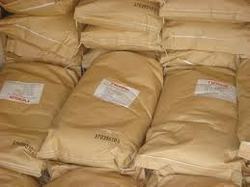

Price:
- 50
- 100
- 200
- 250
- 500
- 1000+

More Products in Industrial Products Category
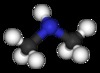
Dimethylamine
Price 60 INR / Kilograms
Minimum Order Quantity : 25 Kilograms
Physical Form : Other, Gas or Aqueous Solution
Purity : 99% min (for anhydrous); 40% wt (in aqueous solution)
Application : Other , Intermediate for pharmaceuticals, pesticides, solvents, rubber chemicals, ionexchange resins
Storage : Other, Store in tightly closed containers, in cool, ventilated area, away from sources of ignition
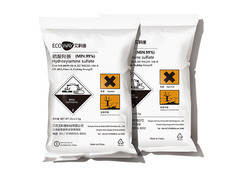
Hydroxylammonium sulfate
Price 3625 INR / Bag
Minimum Order Quantity : 10 Bags
Physical Form : Powder
Purity : 99%
Application : Other , Pharmaceuticals, chemical synthesis, reducing agent, photographic industry
Storage : Other, Store in a cool, dry place away from incompatible substances
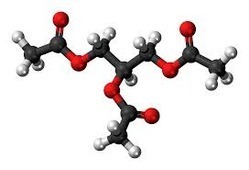
Triacetin
Price 105 INR
Minimum Order Quantity : 25 Kilograms
Physical Form : Liquid
Purity : >99%
Application : Other , Used as plasticizer, food additive (humectant, solvent), cigarette filter plasticizer, and pharmaceutical solvent
Storage : Other, Keep container tightly closed in a cool, dry, wellventilated place
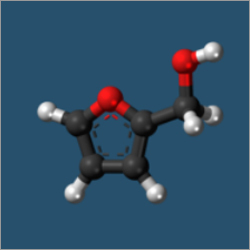
Furfuryl Alcohol
Price 400 INR
Minimum Order Quantity : 25 Kilograms
Physical Form : Liquid
Purity : 98% min.
Application : Other , Used in production of foundry resins, as a wetting agent, solvent, and in manufacture of adhesives and coatings
Storage : Other, Store in a cool, wellventilated area, away from sources of ignition


 Send Inquiry
 Send Inquiry
 Send SMS
Developed and Managed by Infocom Network Private Limited.

