 English
 Spanish
 French
 German
 Italian
 Chinese (Simplified)
 Japanese
 Korean
 Arabic
 Portuguese
Call us now
08045476963

 Send Inquiry
Triethylene Triamine
Triethylene Triamine Specification
- Place of Origin
- China
- Storage
- Store in cool, dry, and well-sealed area; avoid direct sunlight
- Ph Level
- 11-13 (10% solution)
- Residue on Ignition
- 0.01%
- Molecular Weight
- 146.23 g/mol
- Heavy Metal (%)
- 0.001%
- Boiling point
- 277C
- Assay
- 98% min
- Viscosity
- ~24 mPas at 25C
- Particle Size
- Not applicable (liquid)
- Melting Point
- -39C
- EINECS No
- 203-950-6
- Molecular Formula
- C6H18N4
- HS Code
- 29212990
- Acid Value
- <5 mg KOH/g
- Moisture (%)
- 0.5%
- Loss on Drying
- 0.2%
- Other Names
- TETA; 2,2,2-Nitrilotri(ethanamine)
- CAS No
- 112-24-3
- Type
- Chemical Intermediate
- Grade
- Industrial Grade
- Usage
- Used in synthesis of curing agents for epoxy resins, oil additives, fuel additives, chelating agents, textile industry, and as an intermediate for surfactants and resins
- Purity
- 98%
- Appearance
- Clear or pale yellow liquid
- Application
- Epoxy hardener, oil additives, textile auxiliaries, chelating agent
- Raw Material
- Ethylene dichloride, ammonia
- Smell
- Ammoniacal
- Color
- Colorless to pale yellow
- Form
- Liquid
- Toxicity
- Harmful if inhaled or swallowed; causes skin and eye irritation
- Density
- 0.982 g/cm3 at 20C
- Refractive Index
- 1.485 (20C)
- Packaging
- Packed in 200 kg iron drum or ISO tank
- Solubility
- Miscible with water and polar solvents
- Flash Point
- 146C (closed cup)
- Shelf Life
- 12 months from manufacturing date
Triethylene Triamine Trade Information
- Minimum Order Quantity
- 25 Kilograms
- Payment Terms
- Letter of Credit (L/C), Western Union, Paypal, Cash in Advance (CID), Cash Advance (CA)
- Supply Ability
- 500 Kilograms Per Week
- Delivery Time
- 7 Days
- Sample Available
- Yes
- Sample Policy
- Sample costs shipping and taxes has to be paid by the buyer
- Main Export Market(s)
- Western Europe, Australia, Middle East, Central America, South America, Asia, Eastern Europe, North America, Africa
- Main Domestic Market
- All India
About Triethylene Triamine
Triethylene Triamine
As a reputed enterprise of the industry, we are involved in offering a broad range of Triethylene Triamine. The offered product is praised for its high grade quality, enhanced shelf life and effectiveness as compared to other market products. A series of quality tests is performed on our products by our quality controllers at every stage of processing. This qualitative product can be obtained from us at industry leading rates within the promised time - frame.
Features:
- Accurate composition
- Effective
- Safe to use
Specification
|
Purity |
85 percentage |
|
Packaging Size |
500-1000 kg |
|
Packaging Type |
Drum |
|
Solubility |
Soluble in water |
Versatile Industrial Applications
Triethylene Triamine is widely utilized in the synthesis of epoxy hardeners, oil and fuel additives, textile industry auxiliaries, and chelating agents. Its chemical structure enables efficient formation of surfactants and resins, making it indispensable across numerous industrial sectors. The compounds high purity and reliable performance deliver consistent quality and results for manufacturers and suppliers.
Safe Handling and Storage Guidelines
Due to its toxic and irritant properties, Triethylene Triamine must be handled with caution. Users should avoid skin and eye contact, inhalation, or ingestion during processing. It should be kept in a well-sealed container, away from direct sunlight, in a cool, dry place to maintain stability and maximize shelf life. Proper safety equipment and procedures are essential during use.
FAQs of Triethylene Triamine:
Q: How should Triethylene Triamine be stored to maintain its quality?
A: Triethylene Triamine should be stored in a cool, dry, and well-sealed area away from direct sunlight. Proper storage conditions help preserve its stability and extend its shelf life to up to 12 months from the manufacturing date.Q: What are the main industrial uses of Triethylene Triamine (TETA)?
A: TETA is primarily used as a chemical intermediate in the synthesis of curing agents for epoxy resins, oil and fuel additives, textile auxiliaries, chelating agents, surfactants, and resins, contributing to diverse sectors like manufacturing, automotive, and textiles.Q: When is Triethylene Triamine considered unsafe for handling?
A: Triethylene Triamine is harmful if inhaled or swallowed, and it can cause skin and eye irritation. It must be handled using adequate protective gear and safety measures during processing or transport to prevent exposure.Q: Where can Triethylene Triamine be sourced from?
A: Triethylene Triamine is primarily manufactured in China and is available from exporters, importers, and suppliers in India. It is commonly packed in 200 kg iron drums or ISO tanks for bulk industrial use.Q: What is the process for using TETA as an epoxy resin hardener?
A: In epoxy systems, TETA acts as a curing agent. It is mixed with resin components to initiate cross-linking, resulting in hardened coatings, adhesives, or composite materials. Precise formulations ensure optimal curing and mechanical properties.Q: Which benefits does Triethylene Triamine offer in textile and chemical industries?
A: Triethylene Triamine enhances product effectiveness as a textile auxiliary and chelating agent, improves durability in resins and surfactants, and optimizes oil and fuel additive performance due to its reactive amine groups and high purity.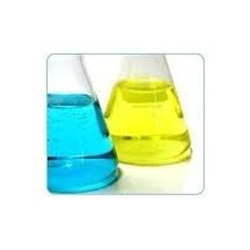

Price:
- 50
- 100
- 200
- 250
- 500
- 1000+

More Products in Pharmaceutical Chemicals Category
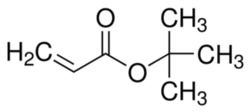
Butyl Acrylate
Price 500 INR
Minimum Order Quantity : 25
Grade : Other, Industrial / Commercial
CAS No : 141322
Form : Liquid
Purity : 99.0%
Pyrogallol
Price 320000 INR / Dram
Minimum Order Quantity : 1 Dram
Grade : Other, Reagent / Analytical
CAS No : 87661
Form : Solid
Purity : 99% Minimum

Triphosgene
Price 135 INR
Minimum Order Quantity : 25 Kilograms
Grade : Other, Analytical / Technical Grade
CAS No : 32315109
Form : Solid
Purity : 99% Min
Thiophene-2-Ethanol
Price 1250 INR
Minimum Order Quantity : 10 Kilograms
Grade : Tech Grade
CAS No : 5402551
Form : Liquid
Purity : 99%


 Send Inquiry
 Send Inquiry
 Send SMS
Developed and Managed by Infocom Network Private Limited.

