 English
 Spanish
 French
 German
 Italian
 Chinese (Simplified)
 Japanese
 Korean
 Arabic
 Portuguese
Call us now
08045476963

 Send Inquiry
Isovaleraldehyde
Isovaleraldehyde Specification
- Solubility
- Slightly soluble in water; miscible with alcohol, ether, and most organic solvents
- HS Code
- 29121990
- Shelf Life
- 12 months
- Structural Formula
- (CH3)2CHCH2CHO
- Product Type
- Aldehyde
- Properties
- Colorless to pale-yellow liquid with a strong, pungent, fruity odor. Volatile and flammable.
- Density
- 0.801 Gram per cubic centimeter(g/cm3)
- Physical Form
- Liquid
- Shape
- Amorphous (liquid form)
- Storage
- Store in tightly closed containers, in a cool, ventilated area away from sources of ignition
- Smell
- Strong, fruity, pungent odour
- Grade
- Industrial Grade
- Molecular Weight
- 86.13 g/mol
- Application
- Pharmaceutical intermediates, flavors and fragrances, chemical synthesis
- Refractive Rate
- 1.393 - 1.396
- Usage
- Used as a flavoring agent, fragrance component, and chemical intermediate
- Poisonous
- NO
- CAS No
- 590-86-3
- Melting Point
- -51 C
- Appearance
- Clear liquid
- Ph Level
- Neutral
- Purity
- 98% Min
- EINECS No
- 209-691-5
- Molecular Formula
- C5H10O
- Ingredients
- Isovaleraldehyde (main active ingredient)
- Vapor Pressure
- 44 mmHg at 20C
- Packaging Type
- HDPE drums or glass bottles
- Flash Point
- 13 C (closed cup)
- Water Solubility
- 2.9 g/L at 20 C
- UN Number
- UN 1993
- Stability
- Stable under recommended storage conditions
- Boiling Point
- 92-96 C
- Hazard Class
- Flammable Liquid
- EC Number
- 209-691-5
- Transport Information
- Class 3 (Flammable liquids), Proper shipping name: Flammable liquid, n.o.s. (Isovaleraldehyde)
- Odor Threshold
- <1 ppm
- Auto Ignition Temperature
- 225 C
Isovaleraldehyde Trade Information
- Minimum Order Quantity
- 25 Kilograms
- Payment Terms
- Western Union, Paypal, Letter of Credit (L/C), Cash in Advance (CID), Cash Advance (CA)
- Supply Ability
- 500 Kilograms Kg Per Week
- Delivery Time
- 7 Days
- Sample Available
- Yes
- Sample Policy
- Sample costs shipping and taxes has to be paid by the buyer
- Main Export Market(s)
- Western Europe, Eastern Europe, Middle East, South America, Asia, Central America, North America, Australia, Africa
- Main Domestic Market
- All India
About Isovaleraldehyde
Isovaleraldehyde
"This particular price varies on daily basis. Please call and check for the latest price"
Specification
| Density | 0.785 g per mL at 20 C |
| Usage/Application | Commerical |
| Purity | 99 |
| Molecular Formula | (CH3)2CHCH2CHO |
| CAS Number | 590-86-3 |
| Boiling Point (deg. Celsius) | 92 C |
| Molar Mass | 86.13 |
| Melting Range | minus 51 C |
| Grade Standard | Technical Grade |
| Physical State | Liquid |
Reliable Chemical Intermediate
Isovaleraldehyde plays a vital role as an intermediary in chemical manufacturing, particularly in producing pharmaceuticals and synthesizing flavors and fragrances. Its distinct odor and chemical reactivity make it a sought-after compound in the industrial sector. Careful handling and storage are important due to its volatility and flammability.
Safe Storage and Transport
For safe handling, Isovaleraldehyde should be stored in tightly sealed HDPE drums or glass bottles, in cool, well-ventilated areas away from heat or ignition sources. Classified under UN 1993, Transport Class 3, it follows stringent packaging and shipping protocols for flammable liquids to ensure user and environmental safety.
Versatile Usage and Benefits
Suitable for use as a flavoring agent and fragrance component, Isovaleraldehyde offers both aromatic value and functionality as a chemical building block. Its high purity and stable profile under recommended storage conditions provide consistent quality, supporting various manufacturing and formulation needs.
FAQs of Isovaleraldehyde:
Q: How should Isovaleraldehyde be stored to ensure stability and safety?
A: Isovaleraldehyde must be kept in tightly closed containers, such as HDPE drums or glass bottles, stored in a cool, ventilated area far from any ignition sources. Proper storage not only preserves its stability and shelf life (12 months) but also mitigates flammability risks.Q: What are the main applications of Isovaleraldehyde in the industry?
A: Isovaleraldehyde is widely used as an intermediate in the production of pharmaceutical ingredients, flavors, fragrances, and other chemical compounds. Its strong, fruitypungent odor also makes it a popular choice in aroma formulation and specialty chemical synthesis.Q: When should precautions be taken while handling or transporting Isovaleraldehyde?
A: Precautions are necessary at all times due to its classification as a Class 3 flammable liquid. Handling should avoid heat, sparks, or flames, and transportation should comply with proper shipping guidelines under UN 1993 to ensure safety during storage and movement.Q: Where is Isovaleraldehyde commonly used or supplied from?
A: Isovaleraldehyde is commonly utilized in industrial and manufacturing facilities, especially in the pharmaceutical, fragrance, and flavor sectors. In India, it is available through various exporters, importers, and suppliers specializing in industrial chemicals.Q: What is the process for using Isovaleraldehyde as a chemical intermediate?
A: Isovaleraldehyde is introduced into specific chemical reactions, often serving as a carbonyl source for synthesis in pharmaceutical or flavor manufacturing. Its compatibility with alcohols, ethers, and most organic solvents broadens its application in formulation processes.Q: What benefits does Isovaleraldehyde offer when used as a flavor or fragrance component?
A: The distinct fruity, pungent odor of Isovaleraldehyde enhances flavor and fragrance formulations, providing depth and aromatic intensity. Its ability to blend with other substances and high purity ensure consistent and desirable sensory characteristics in the final product.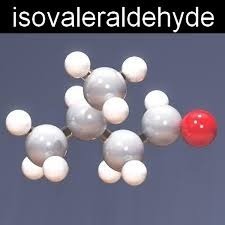

Price:
- 50
- 100
- 200
- 250
- 500
- 1000+

More Products in Organic Chemicals Category
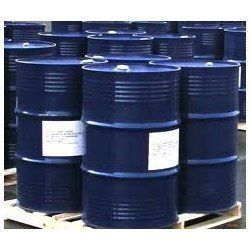
Morpholine Liquid 99.5%
Price 170 INR / Dram
Minimum Order Quantity : 1 Dram
Physical Form : Liquid
Shelf Life : 24 months
Application : Other , Rubber accelerator, corrosion inhibitor, pharmaceutical intermediate, solvent, chemical synthesis.
Storage : Other, Store in tightly closed containers, in a cool, dry, wellventilated area away from sources of ignition.
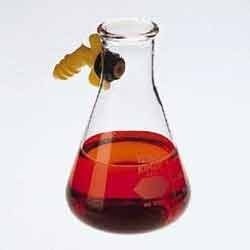
Fumaric Acid
Price 70 INR
Minimum Order Quantity : 25 Kilograms
Physical Form : Powder
Shelf Life : 2 years
Application : Other , Acidulant in food & beverage, manufacture of resins and paints, feed additive
Storage : Other, Store in cool, dry, ventilated area away from moisture
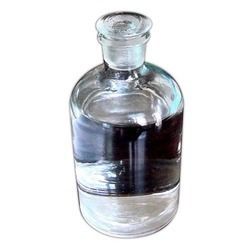
Mixed Xylene
Price 55 INR
Minimum Order Quantity : 25 Kilograms
Physical Form : Liquid
Shelf Life : 24 months
Application : Other , Solvent in paint, rubber, printing, leather industries; chemical intermediate
Storage : Other, Store in tightly sealed containers in cool, ventilated areas away from heat and ignition sources
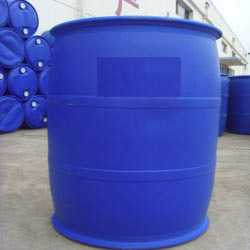
Butyl Acrylate Monomer
Price 29700 INR
Minimum Order Quantity : 1 Dram
Physical Form : Liquid
Shelf Life : 12 months
Application : Other , Used in paints, adhesives, coatings, textiles, plastics, and sealants
Storage : Other, Store in a cool, dry, wellventilated area away from heat, sparks, and open flame


 Send Inquiry
 Send Inquiry
 Send SMS
Developed and Managed by Infocom Network Private Limited.

